Building an ADU in a Bay Area Fire Zone: Zone 0, Berkeley and the Oakland Hills
Yes, you can build an ADU in a Bay Area fire hazard zone, but it has to be built to wildfire standards: a Class A roof, ignition-resistant siding, ember-resistant vents and, increasingly, a 5-foot ember-resistant Zone 0 around the building. Berkeley has required Zone 0 in its highest-risk hill areas since January 1, 2026, and California's statewide Zone 0 rules were approved in August 2026 and are in final state review.

What counts as a fire zone?
When people say "fire zone," they usually mean a Fire Hazard Severity Zone mapped by the State Fire Marshal, rated Moderate, High or Very High. Cities also define a wildland-urban interface (WUI) area where stricter building and defensible-space rules apply. You can look up your address on the state's Fire Hazard Severity Zone viewer.
In Berkeley, the WUI covers the High and Very High zones in the hills, including the Panoramic Hill and Grizzly Peak mitigation areas; the flatlands are outside it. In Oakland, the WUI is the Very High Fire Hazard Severity Zone in the hills.
Zone 0: the 5 feet around your ADU
Zone 0 is the first 5 feet around a building, where embers can most easily ignite a home. California's Board of Forestry approved statewide Zone 0 rules on August 19, 2026, under AB 3074 and SB 504. As of the Board's latest update they were still in final review by the Office of Administrative Law.
Once final, the rules apply right away to new construction. Cities that run their own fire services may need to adopt them locally. In Oakland, existing homes get a phased timeline: the first phase, like clearing firewood, mulch and dead plants within 5 feet, within three years, and the second, covering items like fences, gates and sheds, within five.
For a new ADU, Zone 0 is mostly a design question. If you plan for it from the start, the 5 feet around the unit becomes gravel, pavers or a concrete path instead of a rework later.
ADU fire rules: Berkeley, Oakland and statewide
Topic | Berkeley hills (WUI) | Oakland hills (WUI) | Statewide |
|---|---|---|---|
Where it applies | High and Very High zones, plus the Panoramic and Grizzly Peak mitigation areas | Very High Fire Hazard Severity Zone | Fire hazard zones statewide; local areas may need local adoption |
Zone 0 status | In effect since Jan 1, 2026 in Panoramic and Grizzly Peak | Being added to fire inspections, educational at first | Approved Aug 19, 2026; final state review |
New buildings | Class A roof, no wood shakes, underground utility conduits | Class A roof, fire-resistant siding, metal mesh ember-resistant vents | Wildfire building standards for exterior materials |
Extra requirements | Panoramic Hill: sprinklers, exterior fire alarm, hose bib before framing and a 75-ft hose on site | Annual inspections; phased Zone 0 deadlines for existing homes (3 and 5 years) | Zone 0 applies to new construction once final |
Enforcement | Inspections began May 2026; 60 days to correct; fines from $100 | Inspections by the Oakland Fire Department | Set by state and local agencies |
Berkeley's 2025 WUI rules
Berkeley adopted its own WUI code in 2025, and it's stricter than the statewide baseline in a few ways that matter for ADUs.
- Zone 0 is already in force in the Panoramic Hill and Grizzly Peak areas. Keep the first 5 feet free of combustible material, including under decks. Hardscape is fine, and small potted plants are allowed.
- Trees and fences. Canopies need to stay 6 feet above the roof, 10 feet from chimneys and 5 feet away horizontally. An attached wood fence needs a 5-foot noncombustible section next to the building, and new combustible fencing can't go within 5 feet.
- Outbuildings. A shed or accessory building inside Zone 0 has to be built to the state's wildfire construction standards.
- New buildings. Class A roofs, no wood shakes, and utility conduits run underground.
- Panoramic Hill. New construction also needs sprinklers, a fire warning system with an exterior alarm, a 3/4-inch hose bib before framing and a 75-foot hose on site.
About 1,400 properties fall under Berkeley's Zone 0 rules. The city began inspections in May 2026, gives owners 60 days to fix issues, and fines start at $100.
Building in the Oakland hills
Oakland requires new construction in its WUI to use a Class A roof, fire-resistant siding and ember-resistant metal mesh vents. The Oakland Fire Department inspects WUI properties every year and is adding Zone 0 to those inspections, starting on an educational basis.
Hillside lots add their own challenges: retaining walls, access for equipment and drainage. Our hillside ADU guide and Oakland ADU builder page go deeper.
Can you still build with wood?
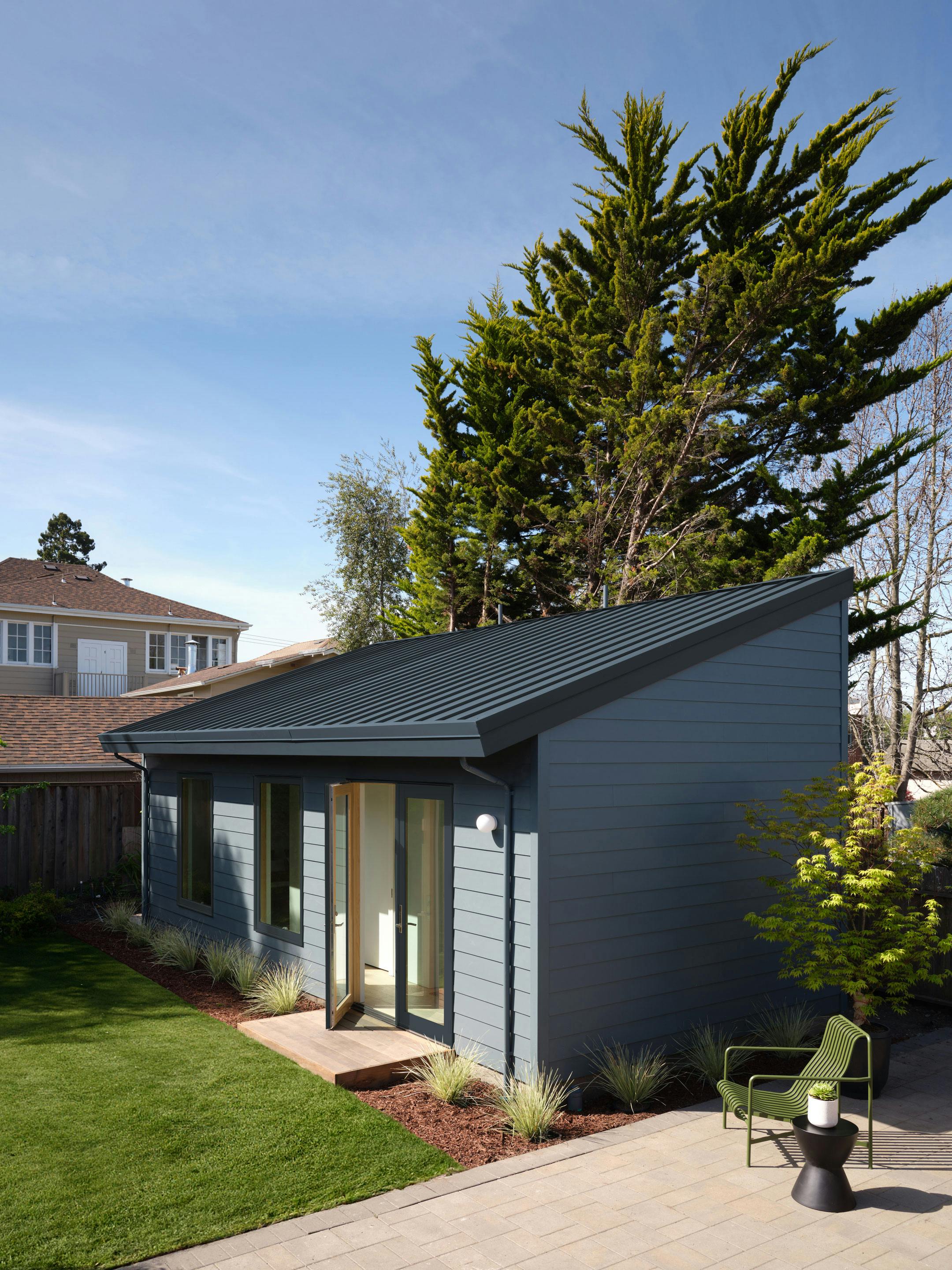
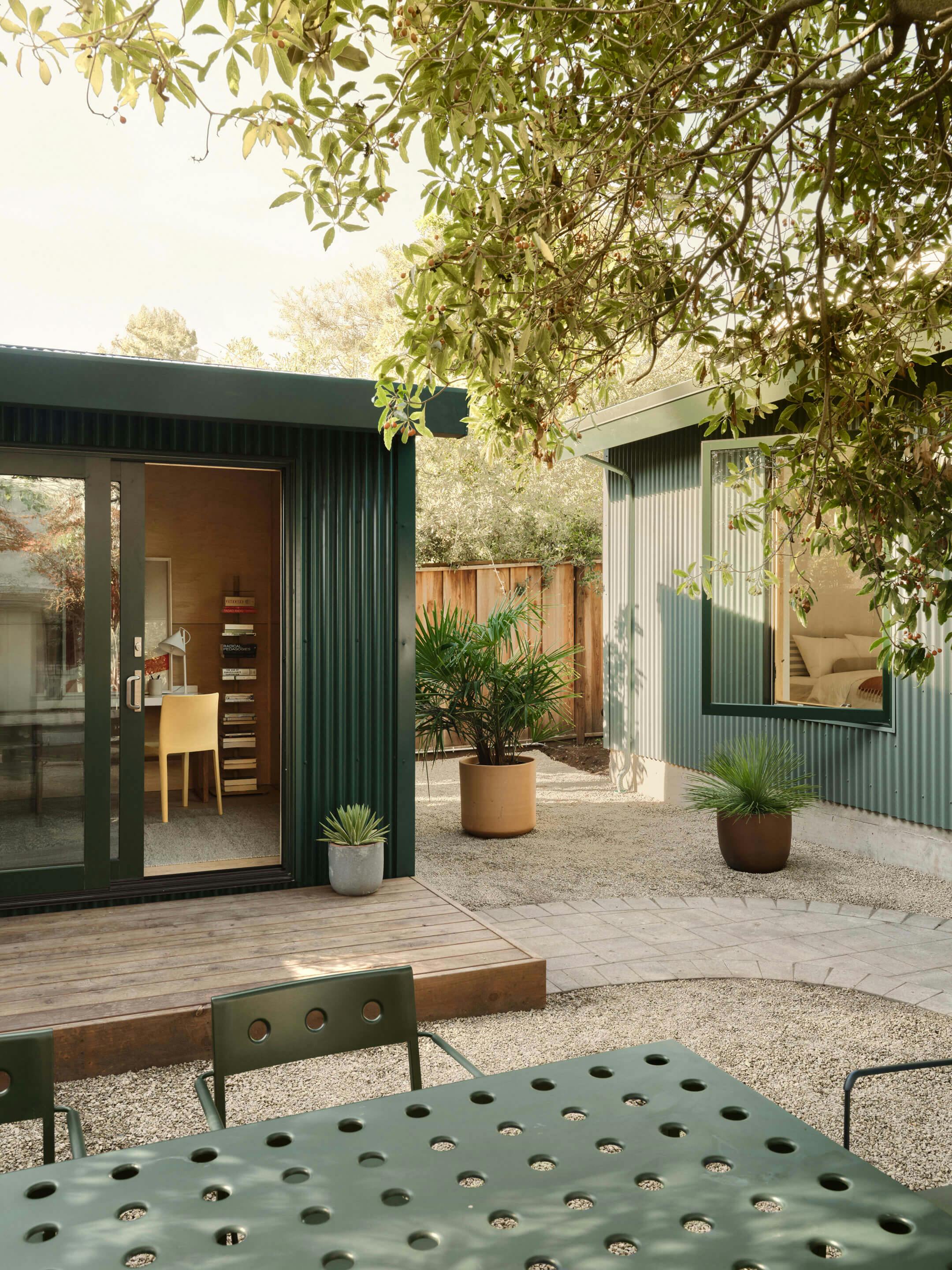
Yes. California's wildfire standards govern the outside of the building: the roof, siding, vents, decks and the space around it. They don't ban wood framing. Type Five builds every ADU on site with conventional wood framing and uses a fire-resistant exterior package on lots in fire zones.
Our Hermosa guesthouse in Orinda and Caldwell ADU in Oakland both sit in WUI zones and use that fire-resistant material package.
Designing an ADU for a fire zone
- Plan Zone 0 into the site plan. Put paths, gravel or pavers in the first 5 feet instead of planting beds and bark.
- Keep decks simple. Under-deck space has to stay clear in Berkeley's Zone 0 areas, so low decks or concrete patios are easier to maintain.
- Detail fences where they meet the ADU. A noncombustible gate or fence section next to the building avoids a fix later.
- Budget for it. Fire-rated materials and site work add cost; our Bay Area ADU cost guide shows how fire zone requirements fit into a full budget.
What our clients say
Don’t just take our word for it. Read more in-depth client testimonials.
"The design process with Type Five felt more streamlined, and the experience allowed us to stay focused and avoid being overwhelmed by too many options."
“I feel like we got all the benefits of a custom build, without the uncertainty.”
"Type Five was really attractive because that's what they were offering: a full-service construction company with an established design system."
Building in a fire zone?
Send us your address and we'll check your fire zone, the local rules and what they'd mean for your ADU's design, materials and budget.
How our process works
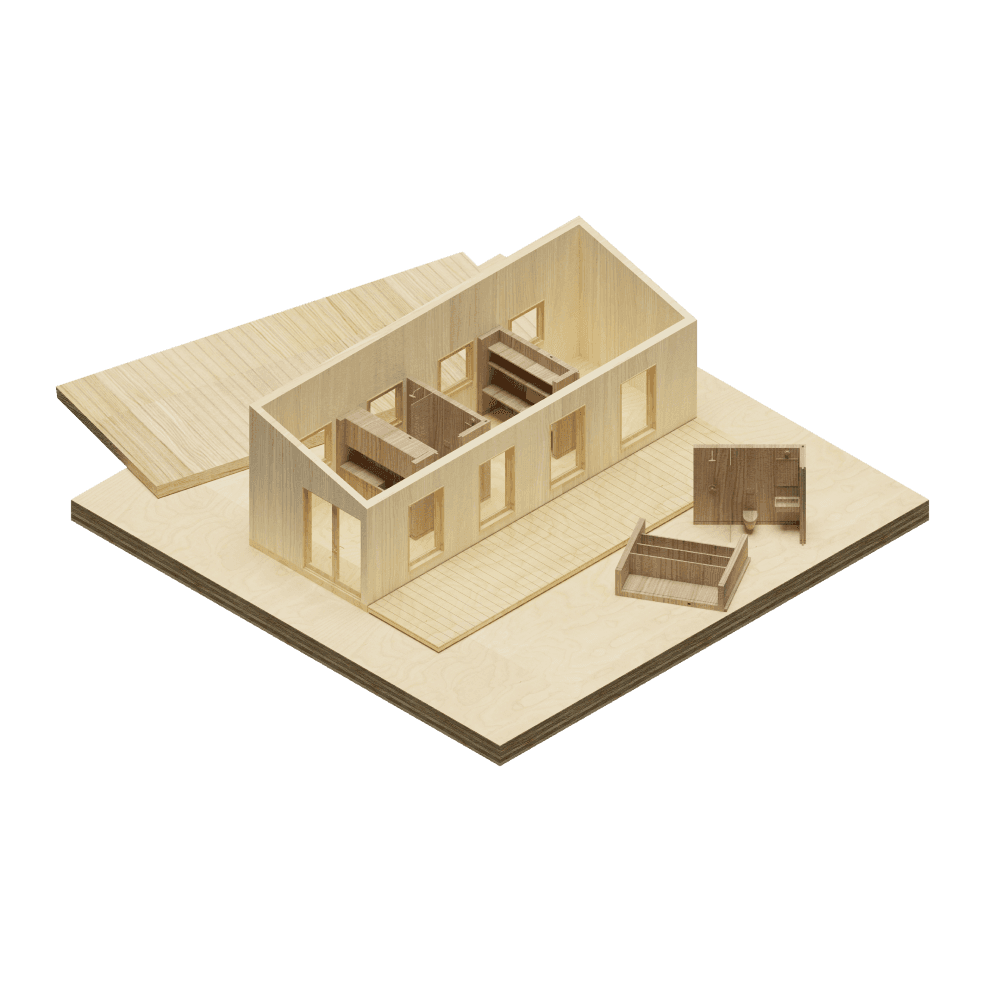
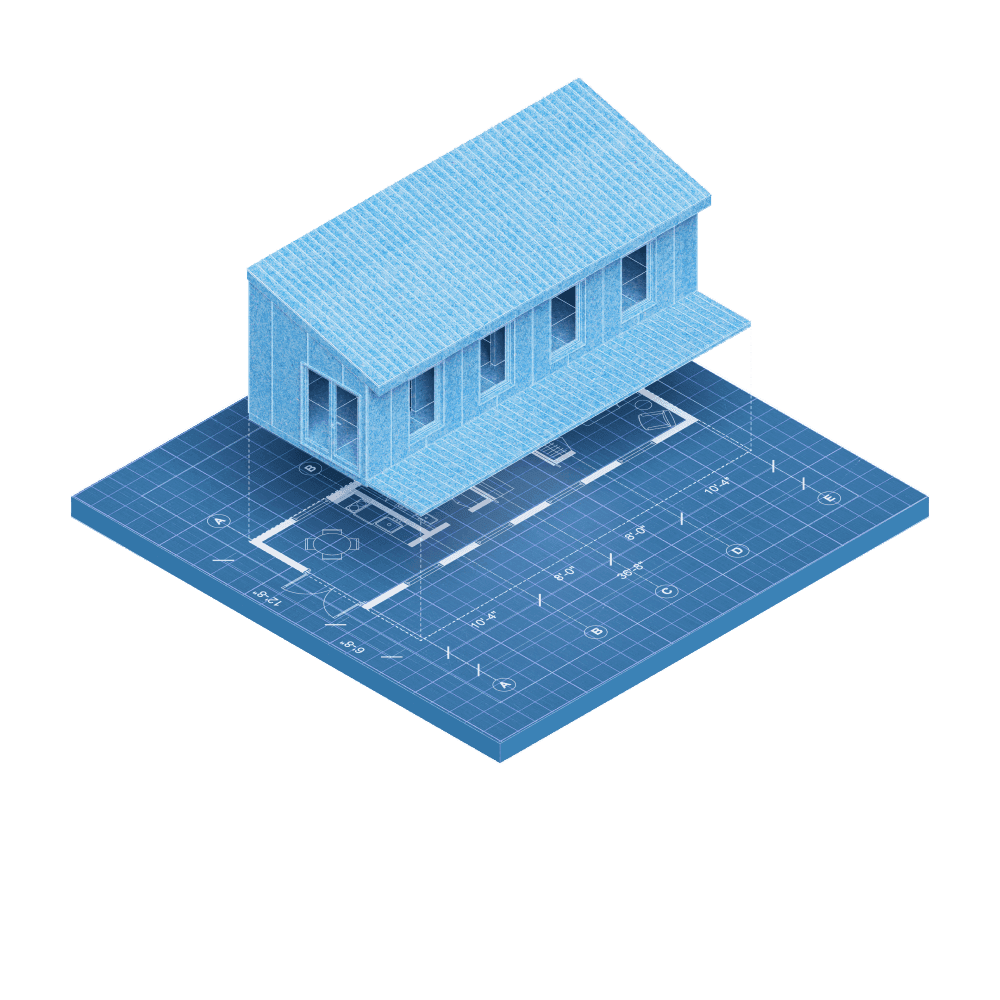
One team takes your project from first sketch to move-in, with a fixed budget before construction starts.
FAQs about building an ADU in a fire zone
Short answers to the questions we hear most from homeowners in the Berkeley and Oakland hills.
Can I build an ADU in a Very High Fire Hazard Severity Zone?
Yes. You'll need to meet wildfire building standards for the roof, siding, vents and other exterior parts, plus any local rules like Berkeley's WUI code and Zone 0.
What is Zone 0?
Zone 0 is the first 5 feet around a building, where combustible materials like mulch, wood fencing and dense plants are limited. California's statewide rules were approved in August 2026 and are in final state review.
When do Zone 0 rules apply in Berkeley?
Since January 1, 2026, in the Panoramic Hill and Grizzly Peak mitigation areas. Inspections began in May 2026, with 60 days to correct issues and fines starting at $100.
What does Oakland require for new construction in the hills?
A Class A roof, fire-resistant siding and ember-resistant metal mesh vents in the WUI. The Fire Department is adding Zone 0 checks to its annual inspections.
Does an ADU in a fire zone need sprinklers?
Under state law, an ADU doesn't need sprinklers if the main house isn't required to have them. Local rules can add requirements: in Berkeley's Panoramic Hill area, new construction needs sprinklers.
Can I build a wood-framed ADU in a fire zone?
Yes. Wildfire standards regulate the exterior and the area around the building, not the framing. Type Five builds wood-framed ADUs on site and uses fire-resistant exterior materials in fire zones.
How do I know if my lot is in a fire zone?
Enter your address in the State Fire Marshal's Fire Hazard Severity Zone viewer, and check your city's WUI map. Oakland has its own WUI address lookup.