Custom Home Builder: A Complete Guide to Building Your Dream Home in 2026

Introduction
A custom home builder is a specialized contractor who designs and constructs unique homes tailored to individual client specifications on their chosen lot. Unlike production builders who construct homes from pre-set plans in developments, custom builders work directly with homeowners to create one-of-a-kind residences that reflect personal preferences, lifestyle needs, and site-specific considerations.
This guide covers the complete custom home building process—from initial consultation through move-in—along with criteria for selecting builders, realistic timeline expectations, and cost considerations for 2026. It excludes general contracting for renovations and focuses specifically on new construction projects. The target audience includes homeowners considering their first custom build, those comparing different builder types, and anyone exploring alternatives to purchasing existing homes or production-built properties.
Direct answer: A custom home builder is a professional entity—often a design-build firm or general contractor—that handles the design and construction of housing specifically tailored to an individual homeowner’s needs, typically building on a lot the homeowner has selected or already owns.
By the end of this guide, you will:
- Understand the full custom home building process from concept to completion
- Know the essential criteria for evaluating and choosing a trusted custom home builder
- Set realistic timeline expectations given 2026 permit, material, and labor constraints
- Understand cost ranges including per square footage pricing and budget considerations
- Recognize quality standards, energy codes, and certification programs that matter

Understanding Custom Home Building
Custom home building involves full architectural design with a unique floor plan, individualized finishes, detailed homeowner input, and site-specific considerations including topography, views, and structural requirements. This approach differs fundamentally from semi-custom builds (modified stock plans) and tract homes (mass-produced designs with minimal variation) through the degree of client involvement, design flexibility, and investment required.
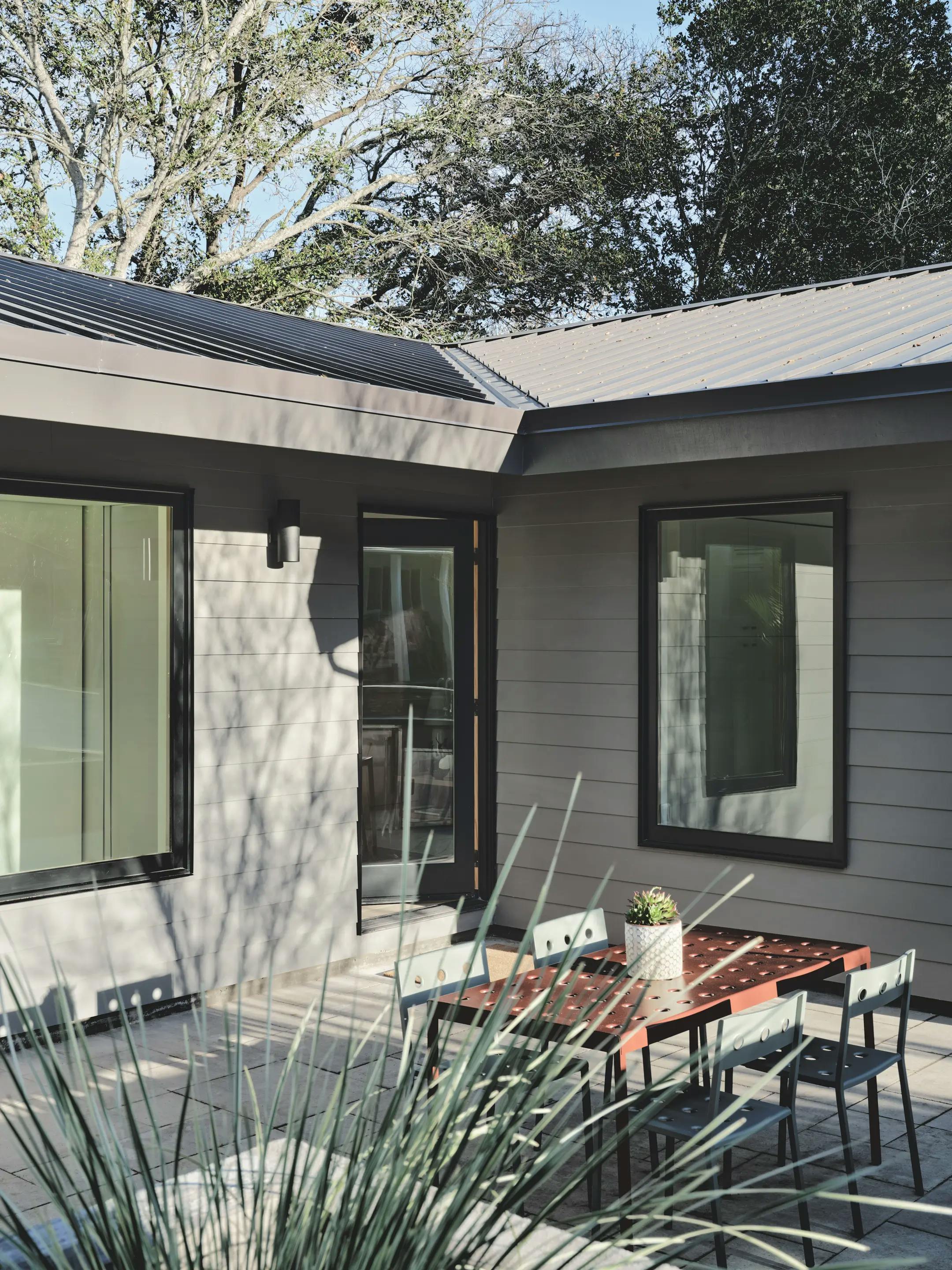
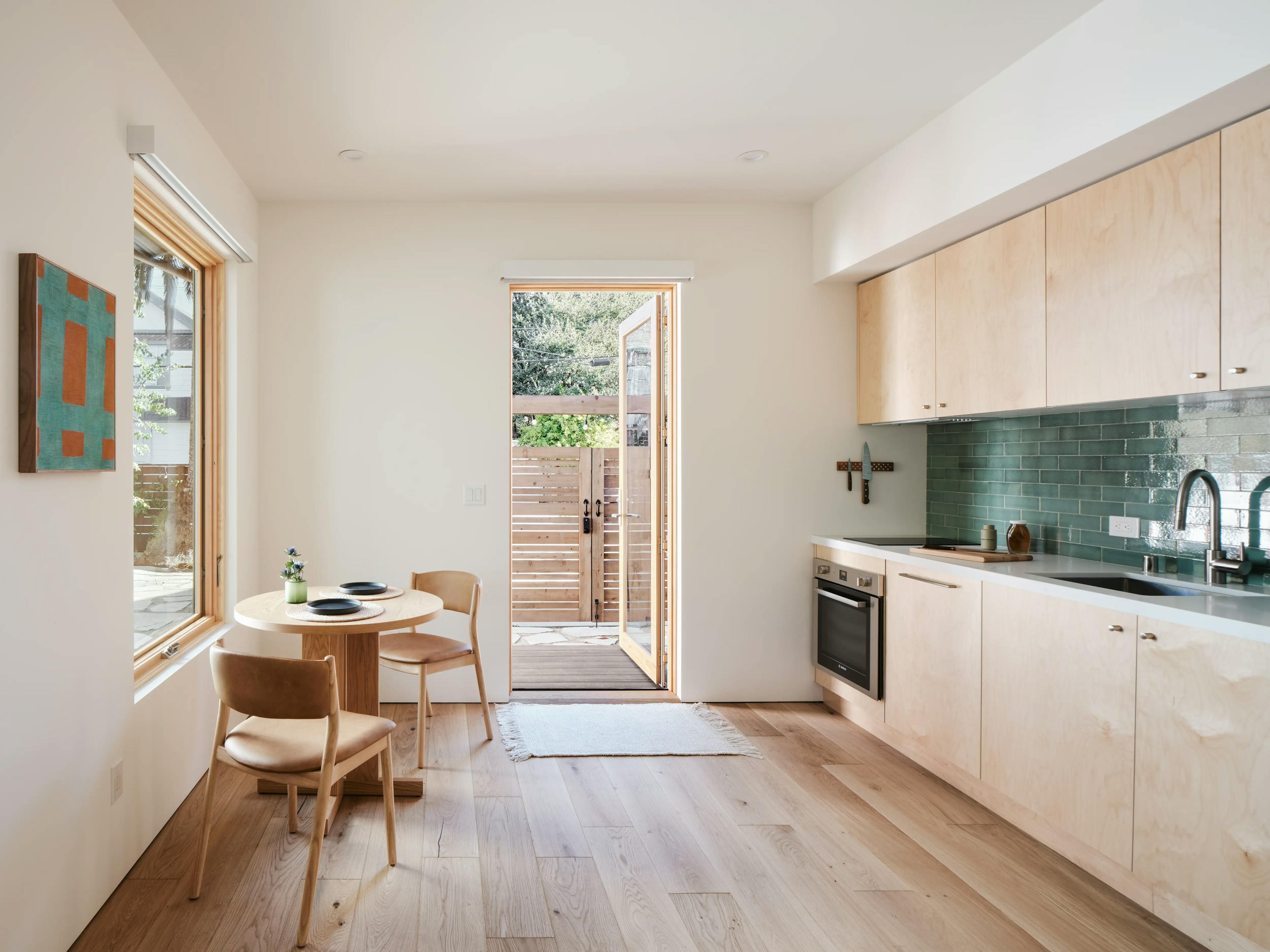
Building on your own land allows for greater customization and control over the design and features of your home, tailored to your specific needs and preferences. For homeowners seeking personalized living spaces—whether incorporating home offices, multigenerational layouts, or sustainability features—the custom builder model provides complete control over layouts, materials, systems, and finishes, similar to how Type Five builds customizable backyard homes and ADUs, offering flexible, smaller-scale living solutions on the same property.
Design-Build vs. Traditional Custom Building
The design-build approach consolidates both architectural design and construction under a single company. This model streamlines communication through one line of responsibility, aligns design decisions more tightly with budget and site constraints, reduces contract handoffs, and often saves time because design and construction teams collaborate simultaneously rather than working in isolated silos.
In the traditional model, homeowners hire an architect separately to produce full design documents, then contract with a builder independently. While this can enable more independent design creativity and architectural vision, it carries risk of disconnect between design and construction costs, more potential for change orders, less coordination, and longer timelines due to sequential rather than parallel workflows.
Levels of Customization Available
Custom home design allows homeowners to tailor their living spaces to their personal preferences and lifestyle needs. The spectrum of customization ranges from plan modifications—using existing floor plans with adjustable room sizes, orientations, and finishes—to complete customization where an architect designs from scratch and the client chooses everything from layout to structural systems to finishes.
In custom home design, homeowners can choose from various architectural styles, materials, and layouts to create a unique home that reflects their vision. Custom-built homes can incorporate features like smart technology and universal design principles from the start, rather than retrofitting these elements later.
This range of personalization directly connects to how builders structure their services—comprehensive custom builders offer integrated site analysis, design development, and construction management to execute your vision.
Custom Home Builder Services and Specializations
The level of customization you desire determines the scope of services required. Higher customization demands more robust offerings including detailed site analyses, complex permitting navigation, and rigorous quality control throughout the build process.
Site Analysis and Preparation
When building on your own land, it’s essential to consider local zoning laws and regulations, which can affect what you can build and how you can use the property. Site evaluation encompasses surveying topography, grading requirements, soil tests or geotechnical reports assessing bearing capacity and soil conditions, drainage analysis, flood or fire risk assessment, and vegetation regulations, all of which are especially important in places like Santa Rosa with specific ADU zoning and site requirements.
Professional builders evaluate utility connections for water, sewer or septic, electric, and gas. Constructing a home on your own land can often lead to cost savings in the long run, as you can avoid some of the markups associated with purchasing a home in a development—but only when site preparation is properly scoped and budgeted from the outset.
Design Development and Planning
The custom home design process typically involves collaboration between the homeowner and design professionals to ensure that the final product meets the homeowner’s expectations and requirements. This phase includes schematic design, design development, construction documents, and engineering coordination for structural, mechanical, electrical, and plumbing systems.
Modern design development incorporates 3D modeling, floor plan iterations, virtual walkthroughs, and finish selections for flooring, cabinetry, windows, and roofing materials. Material choices now include compliance with local energy codes—California’s 2025 Energy Code, for example, requires specific envelope, lighting, insulation, and ventilation standards for new construction including ADUs; working with a California-based design-build ADU specialist can help ensure these requirements are integrated from the outset.
Construction Management and Quality Control
Construction management encompasses scheduling trades, coordinating inspections, managing material deliveries, and maintaining budget discipline. Quality control includes ensuring code compliance, inspecting framing and insulation, verifying envelope and waterproofing integrity, tracking punch lists, and conducting final walkthroughs.
Custom homes often utilize higher-quality materials and better construction techniques, resulting in superior quality and craftsmanship. Reputable builders often provide a multi-stage walkthrough at 30 days, 6 months, and 1 year after moving in to address settling cracks or minor repairs.
Comprehensive service delivery means your builder functions as both project manager and quality advocate throughout the journey from groundbreaking to completion.

The Custom Home Building Process
Understanding the typical phases helps set realistic expectations and enables better planning for this significant investment in your family’s future.
Step-by-Step Building Timeline
From industry data for 2026, typical timelines from first consultation to move-in for a custom single-family home range from 12 to 24 months, with luxury or complex builds stretching to 30-36 months, though streamlined offerings for custom single-family homes through Type Five can compress overall schedules. Under ideal conditions with efficient processes, here is what to expect:
- Initial consultation and lot evaluation (2-4 weeks): Site visits, feasibility studies, budget alignment, and preliminary design discussions establish project parameters.
- Design development and permit approval (8-12 weeks): For modular or hybrid approaches with minor modifications; full custom design with multiple reviews may require 3-6 months, especially in jurisdictions with detailed planning requirements.
- Site preparation and foundation (4-6 weeks): Clearing, grading, utility trenching, foundation pour and curing—challenging lots with steep grades or rocky soil may extend this phase.
- Framing and structural work (6-8 weeks): Walls, roof structure, sheathing, window and door installation establish the home’s framework.
- Systems installation and inspections (8-10 weeks): Electrical, plumbing, and HVAC installation with coordination for permit inspection scheduling, particularly important in California where energy compliance undergoes detailed review.
- Finish work and final details (6-8 weeks): Cabinets, flooring, painting, trim, landscaping, final inspections, and certificate of occupancy issuance.
Common Challenges and Solutions
Every custom build journey presents obstacles. Anticipating typical pitfalls and selecting builders with proven solutions creates a more stress free experience.
Budget Overruns and Change Orders
Financial transparency is important when selecting a builder; builders should provide detailed, line-item estimates. Solutions include using fixed-price contracts where feasible, establishing detailed allowances for finishes with clear upgrade pricing, defining rigorous change order procedures with documented cost and time implications, finalizing design selections early, and including a contingency fund of 5-15% of construction cost.
A custom-built home is often a better investment for long-term satisfaction and value compared to existing homes—but only when budget discipline ensures the project reaches completion without financial strain.
Timeline Delays and Weather Dependencies
Build schedules can extend due to permit delays, weather impacting site work and framing, material backorders, and labor constraints. The reputation of custom home builders can be impacted by their ability to complete projects on time and within budget, which is a key concern for many home buyers, especially in jurisdictions like Oakland that have detailed ADU construction and permitting requirements.
Solutions include building buffer time into schedules, choosing builders with strong relationships with local permitting authorities, ordering long-lead items during design development, considering modular or factory-built components to reduce on-site weather dependence, and establishing clear communication protocols with regular progress reviews.
Permit and Regulatory Compliance Issues
It is essential for a custom home builder to have specific experience with the desired architectural style and the technical expertise to handle complex custom requirements—including navigating local zoning overlays, energy codes, and inspection requirements.
Choose builders deeply familiar with your jurisdiction, use consultants for specialized requirements, ensure early clarity on municipal processes, and submit complete permit applications. For California ADUs, 2026 legislation clarifies size limits, streamlines coastal permit decisions to 60-day timelines, and tightens energy code enforcement, and cities like Berkeley have additional local ADU zoning and permitting guidelines that your builder must follow.
Conclusion and Next Steps
Choosing a custom home builder is a long-term partnership that requires prioritizing reputation, transparency, and communication style. The right builder transforms your vision into reality through professional expertise, quality craftsmanship, and clear communication throughout the construction journey.
Hiring a custom home builder allows for total design control, superior quality, high energy efficiency, and long-term financial benefits. Modern energy-efficient appliances, insulation, and windows are standard in custom-built homes, helping to lower utility costs significantly while creating comfortable living spaces tailored to your family’s needs.
Immediate next steps:
- Research local builders with verified licenses and portfolio examples matching your desired style
- Schedule consultations with 3-5 builders to compare communication approaches and expertise
- Visit completed projects or model homes to assess quality firsthand
- Verify contractor licenses, insurance coverage, and professional credentials
- Request detailed estimates and understand contract structures before committing
A builder is only as good as their crew, and understanding how they select subcontractors is important. Home builders are often evaluated based on customer reviews and ratings, which can significantly influence their reputation in the market—review these carefully as part of your selection process.
Related topics worth exploring include ADU options for maximizing property value, sustainable building materials and energy performance certifications, and construction financing options for custom builds.
Additional Resources
Builder Verification:
- State contractor licensing boards for license verification
- Better Business Bureau ratings and complaint history
- Industry associations including NAHB certifications
Certification Programs:
- Pearl Certification for high-performing homes
- ENERGY STAR New Homes certification
- National Green Building Standard (NGBS)
- California GreenPoint Rated program
Builder Interview Questions:
- What is your experience with projects similar to mine in scope and style?
- How do you structure contracts and handle change orders?
- Can you provide references from recent clients?
- How do you select and manage subcontractors?
- What warranties and post-completion support do you provide?
A builder’s reputation can be assessed through their adherence to industry standards and quality of workmanship, which are critical for customer satisfaction. Prioritize builders who demonstrate commitment to excellence through transparent communication, detailed documentation, and proven track records in your community.
Looking for an ADU builder?
Every ADU project is unique, and Type Five wants to hear about your vision. By understanding your lifestyle and budget, we help turn your dream ADU into a reality. Schedule a free consultation to discuss your ADU project, and learn more about working with us.