Best Home Builders in California: Complete Guide for 2026

Introduction
Finding the a reliable builder in California requires understanding which contractor type matches your project scope, budget, and timeline. Whether you’re planning a custom home, ADU, or considering a production home in a new community, California’s diverse building landscape offers options ranging from high-volume developers to boutique design-build firms specializing in challenging Bay Area lots.
This guide covers California home builders with particular emphasis on the Bay Area market, including custom home builders, design-build firms, ADU specialists, and production builders. We’ve excluded general contractors who don’t offer full-service construction and builders operating primarily outside California. The target audience is California homeowners considering new construction—whether a forever home, income-generating ADU, or family addition—who want to understand their options before making a significant purchase decision and are seeking a great experience with their builder. Researching online reviews and ensuring the builder has a track record of success is essential. Many homeowners also recommend hiring independent inspection companies during the home building process to ensure quality and adherence to codes, both before and after construction.
Direct answer: The best California home builders include design-build firms like Type Five (specializing in ADUs and custom homes with software-enabled design and transparent pricing).
After reading this guide, you will:
- Understand the three main builder categories and which fits your project
- Know the key evaluation criteria for California-specific construction
- Have a list of top builders across categories with their specializations
- Understand typical costs, timelines, and quality construction standards
- Know your immediate next steps to begin the building process

Understanding Home Builder Categories
California homeowners face a fundamental choice between three builder types, each offering distinct advantages depending on project complexity, customization needs, and budget. Understanding these categories helps you find builders whose business model aligns with your goals.
Production Home Builders
Production home builders construct homes built in volume within planned communities, offering buyers a selection of pre-designed floor plans with limited customization options. Many of these production builders operate across the country, and understanding their country of operation or ownership can help assess the quality, standards, and reliability of their homes.
In California, major production builders are often ranked by the number of closings (homes sold or completed) and the revenue generated from home sales, reflecting their market stature and growth. Production builders focus on homes built for sale, and their reputation is often tied to the number of homes sold and successful closings. Top home builders often include large national firms known for consistency, as well as specialized luxury builders depending on location. Production builders excel when you want a new home in a specific location without managing the complexity of custom design.
Custom Home Builders
Custom home builders work on unique projects one at a time, tailoring every aspect of design, materials, and finishes to the homeowner’s specifications. This approach suits California’s diverse architectural needs—from hillside homes requiring complex engineering to urban lots with tight setbacks and view considerations.
The custom approach demands more homeowner involvement in the building process and typically costs more per square foot, but delivers a house precisely matched to your lifestyle, lot constraints, and design preferences. Custom builders are the right choice when lot characteristics, family needs, or aesthetic vision can’t be satisfied by standardized options.
Design-Build Firms
Design-build firms integrate architectural design and construction under one roof, eliminating the traditional handoff between separate designer and builder teams. This model offers clearer accountability, smoother communication, and often better cost control throughout the building process.
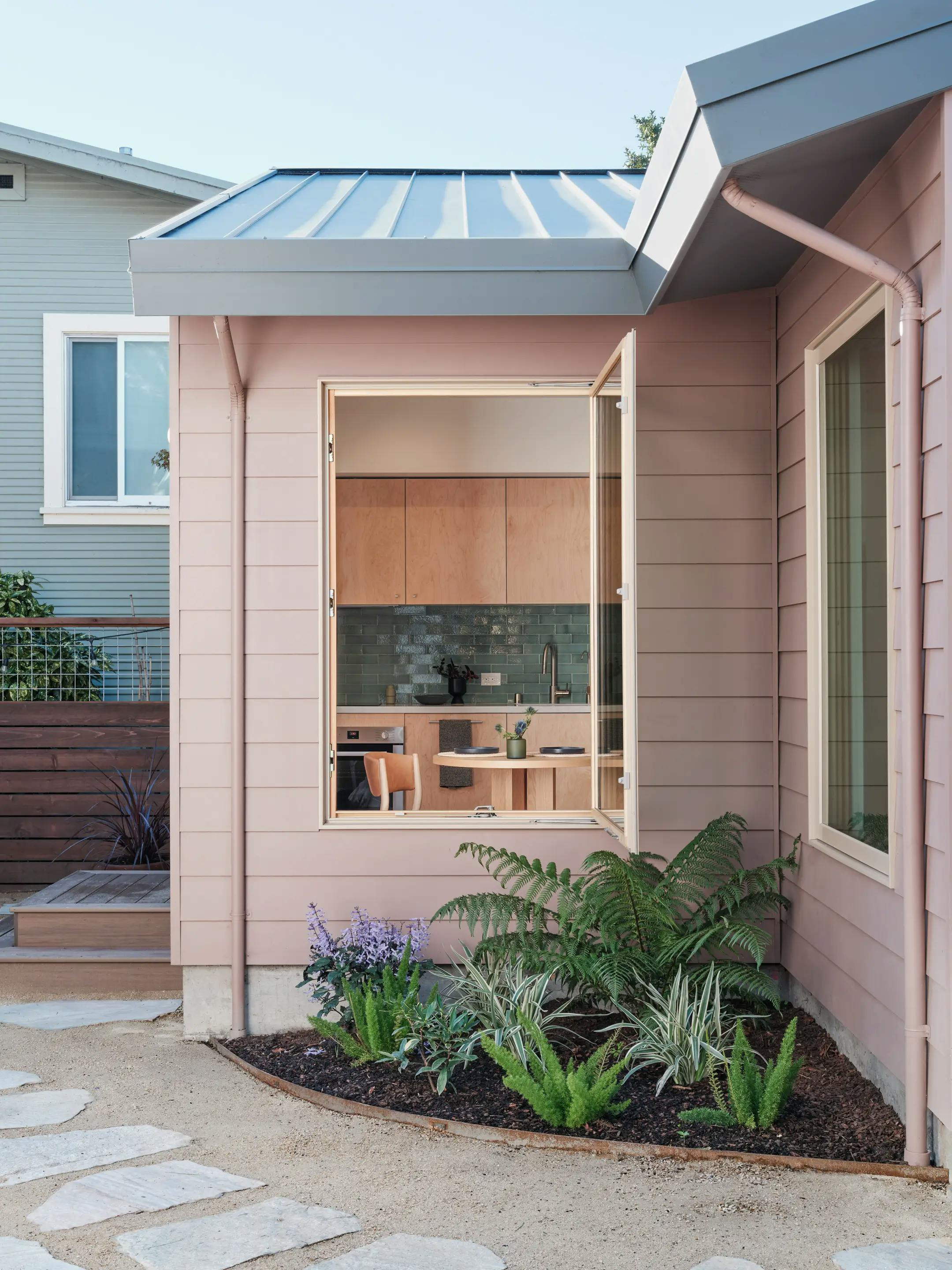
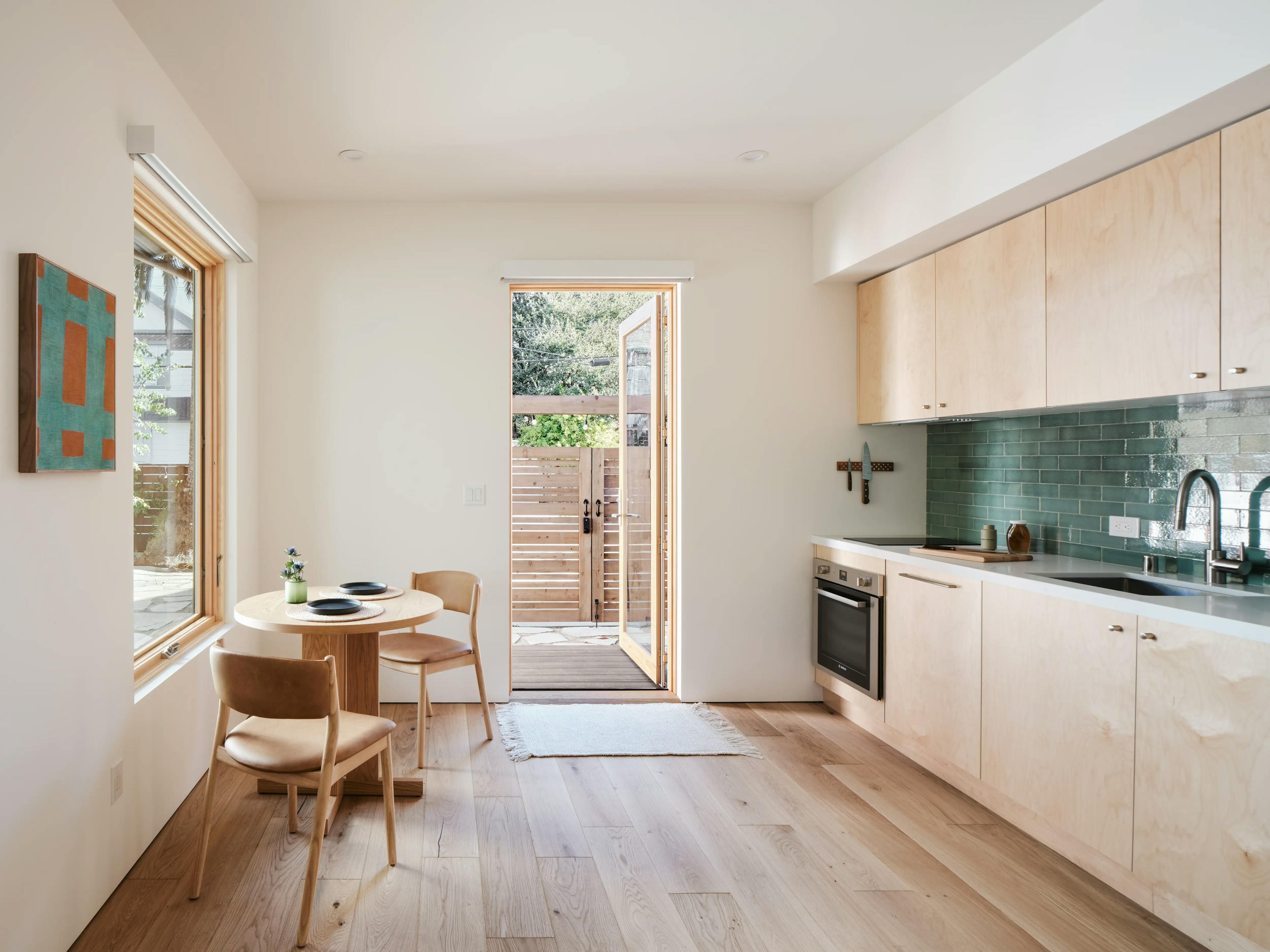
For ADU and custom home projects, design-build firms like Type Five’s customizable backyard homes exemplify this approach. Type Five combines a software-enabled modular design system with in-house construction, offering an online configurator that lets homeowners explore options and understand costs before commitment. Type Five's ADU backyard homes feature modular interiors and luxury finishes. The design-build model particularly suits homeowners who value process transparency and want a single point of contact from start to completion.
Key Factors for Evaluating California Home Builders
With builder categories understood, evaluation requires examining California-specific factors that directly impact project success, timeline, and final quality. Key factors for selecting the best home builders include verified high-quality craftsmanship, a solid reputation supported by client testimonials, and strong, open communication throughout the process. Choose a builder who communicates clearly and provides transparent, detailed proposals. Always verify that the builder holds appropriate licensing and insurance, including liability and workers' compensation, to protect your investment. Additionally, consider hiring a realtor to assist with negotiations, inspections, and resolving issues—an experienced realtor can help you secure better deals and navigate relationships with builders more effectively.
Local Expertise and Permitting
California permitting presents significant challenges that vary dramatically by jurisdiction. Statewide data shows standard residential permits take a median of 64 days, but ADU permits average 115 days. Bay Area and coastal jurisdictions often exceed these medians substantially—some projects wait nearly a year for approval.
Builders with established relationships in your target location understand local zoning requirements, fire codes, utility regulations, and the personalities of specific planning departments. Type Five focuses specifically on Bay Area cities including Berkeley, Oakland, and Orinda, building the local expertise that helps navigate complex approval processes.
Recent legislation like SB 543 (2026) requires jurisdictions to respond within 15 business days on whether an ADU application is complete, reducing indefinite delays. Builders who stay informed on regulatory changes provide significant value during the permitting phase.
Construction Quality and Materials
California’s mandatory building codes under Title 24 set baseline requirements for energy efficiency (Part 6) and green building standards through CALGreen (Part 11). Quality construction in California means meeting or exceeding these standards while addressing seismic requirements and fire hazard zone specifications where applicable.
Key quality indicators include:
- Continuous insulation in walls and roof assemblies
- High-performance windows meeting current energy standards
- Solar-ready or solar-installed roofing
- Efficient mechanical systems (heat pump water and space heating)
- Water-efficient fixtures and drought-tolerant landscaping options
- Fire-rated assemblies and ember-resistant materials in designated zones
The best builders discuss these elements proactively and can explain how their construction meets zero net energy (ZNE) goals mandated for new residential buildings. Ask about warranty coverage.
Technology and Design Innovation
Modern builders differentiate through technology that improves communication, design visualization, and process transparency. Online configurators let homeowners explore floor plans, finishes, and costs before signing contracts. Virtual walkthroughs and 3D modeling reduce surprises during construction.
Type Five’s Lego-like configurator exemplifies this approach—homeowners can design their ADU or custom home online, see pricing implications in real time, and understand exactly what they’re buying before construction begins, a process detailed in their website. This transparency contrasts sharply with traditional custom building where costs often escalate as design decisions emerge during construction.
Builders offering fixed pricing, clear timelines, and digital progress tracking reduce the uncertainty that historically made custom construction stressful. When evaluating builders, ask about their design tools, pricing structure (fixed vs. cost-plus), and how they keep homeowners informed throughout the building process.

Top Home Builders in California by Category
Building on these evaluation criteria, here are leading builders across categories with their specializations, typical project profiles, and a brief story highlighting their background or journey. Some of these builders have moved up in industry rankings due to strategic acquisitions or innovative approaches. Several are known for their involvement in build-to-rent and multifamily developments, expanding beyond traditional single-family homes to serve a broader range of client needs, including those seeking rental properties. Many top builders have served specific communities, such as military veteran families or local neighborhoods, through dedicated programs or philanthropic efforts. Notably, the best home builders maintain stable, long-term relationships with reputable subcontractors and suppliers, ensuring consistent quality and reliability in their projects.
Best Design-Build Firms
Design-build firms excel when you want integrated service, clear accountability, and streamlined communication from design through construction.
Type Five stands out as a leading Bay Area design-build firm specializing in ADUs and custom homes. Learn more on their FAQ page. Their software-enabled design system offers:
- Online configurator for exploring options before commitment
- Transparent, fixed pricing that eliminates cost uncertainty
- Modular design approach that speeds construction without sacrificing customization
- Full-service management from design through permitting and construction
- Focus on Bay Area cities ensures deep local expertise
Type Five claims to cut move-in time by approximately one-third compared to traditional processes—a fantastic advantage for homeowners eager to begin using their new space.
Leading Custom Home Builders
Custom builders serve homeowners with specific architectural visions, challenging lots, or luxury finishes that production options can’t accommodate.
Custom home costs in the Bay Area vary widely based on finishes, lot complexity, and size, but expect significant premiums over production pricing. Timelines typically run 12-24 months from design start to move-in, depending on permitting duration and project scope.
When evaluating custom builders, visit their completed projects to assess construction quality, attention to detail, and whether their design aesthetic matches your vision. Check reviews and ask for references from homeowners with similar project profiles.
Common Challenges and Solutions
California construction presents predictable challenges. Choosing the right builder helps navigate these obstacles efficiently.
Lengthy Permitting Process
Bay Area permitting routinely exceeds statewide averages, with some jurisdictions taking months for ADU approvals alone. San Francisco building permits average 114-177 days depending on measurement methodology.
Solution: Choose builders with established permit relationships in your specific city. Design-build firms like Type Five handles permitting as part of their service, leveraging local experience to anticipate requirements and avoid revision cycles. Pre-approved plans, where available, can significantly reduce approval timelines.
High Construction Costs
Bay Area construction costs rank among the nation’s highest due to labor costs, material transportation, and regulatory compliance.
Solution: Consider design-build firms offering transparent, fixed pricing. Type Five’s configurator shows costs upfront, eliminating the budget uncertainty that plagues traditional custom projects. Understanding your complete cost picture—including site work, utilities, foundation, finishes, permit fees, and landscaping—before signing contracts prevents painful surprises.
Limited Lot Space and Zoning Restrictions
Bay Area lots frequently present challenges: small footprints, setback requirements, height limits, historic overlays, and site conditions requiring specialized engineering.
Solution: Explore ADU specialists and builders experienced with challenging sites. Type Five’s modular design system accommodates various lot configurations while maintaining efficient construction. Their Bay Area focus means experience navigating local zoning restrictions that would stall less experienced builders.
Conclusion and Next Steps
The best home builder for your California project depends on matching builder type to project scope: production builders for community-based new homes with predictable processes, custom builders for unique architectural visions and challenging lots, and design-build firms for integrated service with transparent pricing and streamlined communication.
For Bay Area ADUs and custom homes, design-build firms like Type Five offer compelling advantages: software-enabled design that lets you explore options before commitment, fixed pricing that eliminates cost uncertainty, and local expertise that navigates complex permitting efficiently.
Your immediate next steps:
- Define your project scope: ADU, custom home, production home, or addition
- Research builders specializing in your project type and location
- Schedule consultations with 2-3 builders to compare approaches and chemistry
- Review portfolios and visit completed projects when possible
- Request detailed proposals including timeline, pricing structure, and warranty terms
Related topics worth exploring include ADU design options and configurations, California’s evolving permitting requirements, and financing options for new construction including ADU-specific grants and programs.
To stay informed about the latest home building trends and updates, subscribe to our newsletter for industry news and expert insights.
Additional Resources
California Building Standards:
- California Housing and Community Development (HCD): Building code information and CALGreen standards
- California Energy Commission: Title 24 energy efficiency requirements
Bay Area Permitting:
- Contact your local city planning department for jurisdiction-specific requirements and timelines
- Type Five has published city and county guides for ADU development. See them all here.
Looking for an ADU builder?
Every ADU project is unique, and Type Five wants to hear about your vision. By understanding your lifestyle and budget, we help turn your dream ADU into a reality. Schedule a free consultation to discuss your ADU project, and learn more about working with us.