Hearst
Berkeley, California

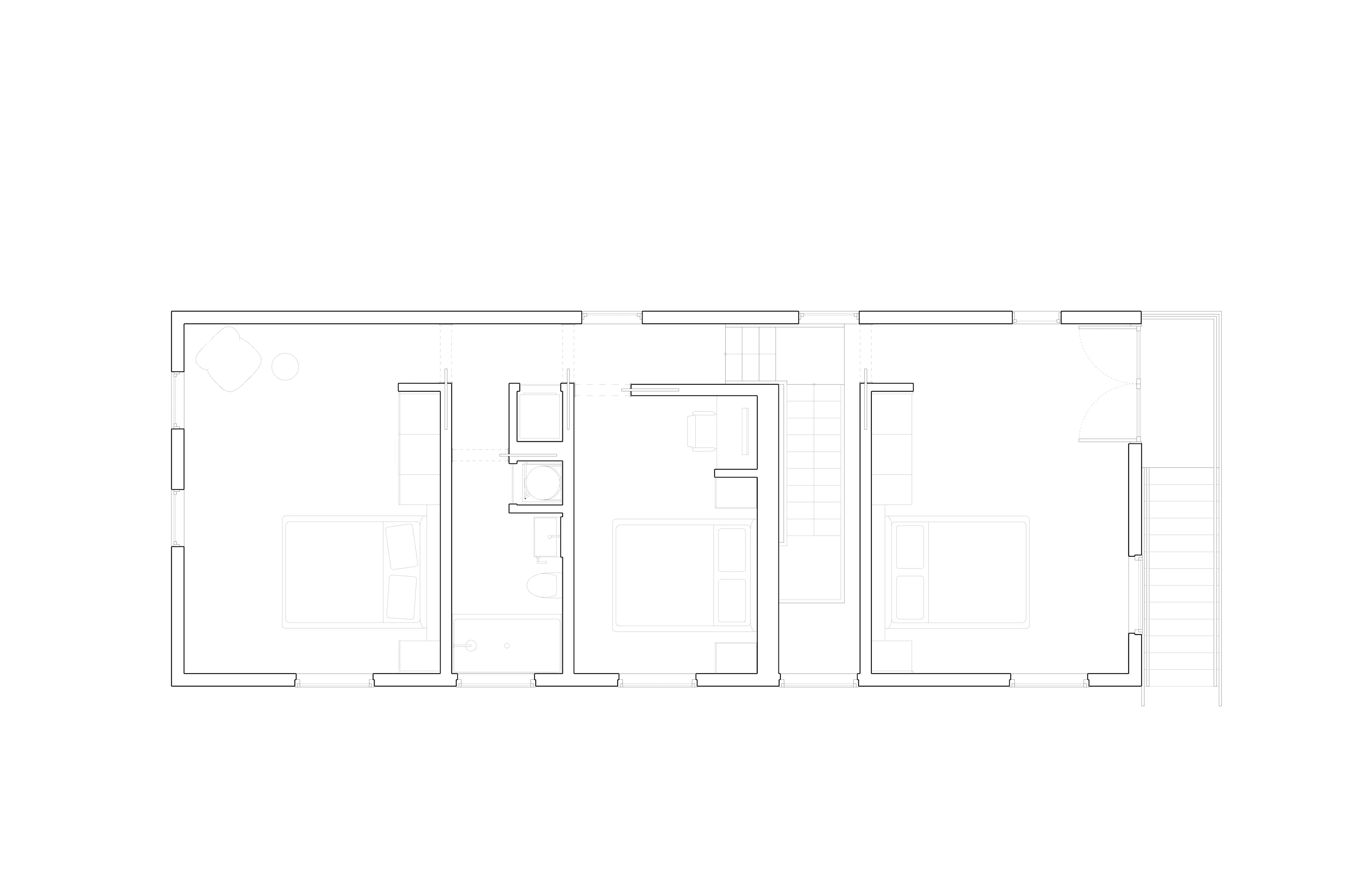
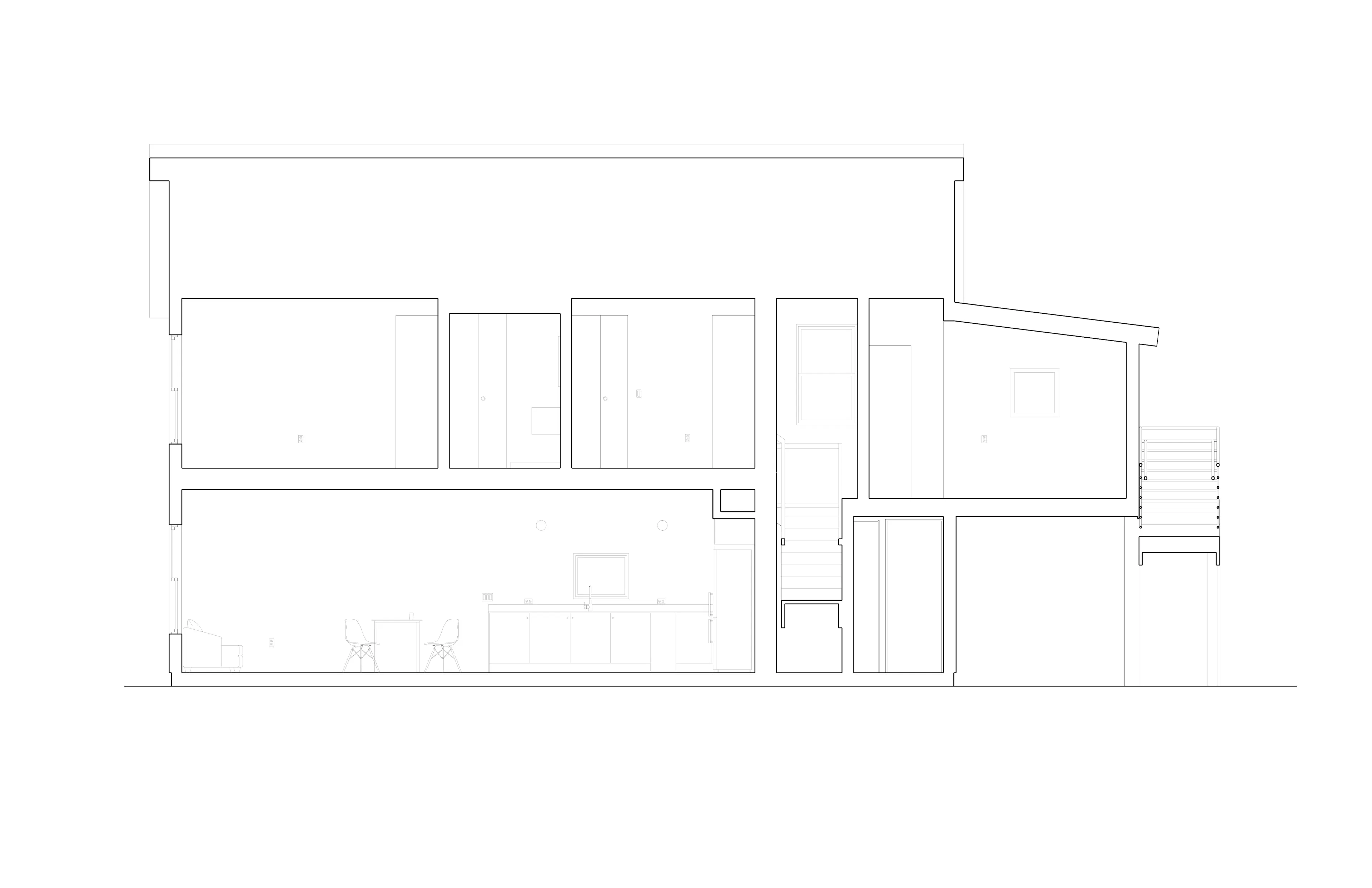
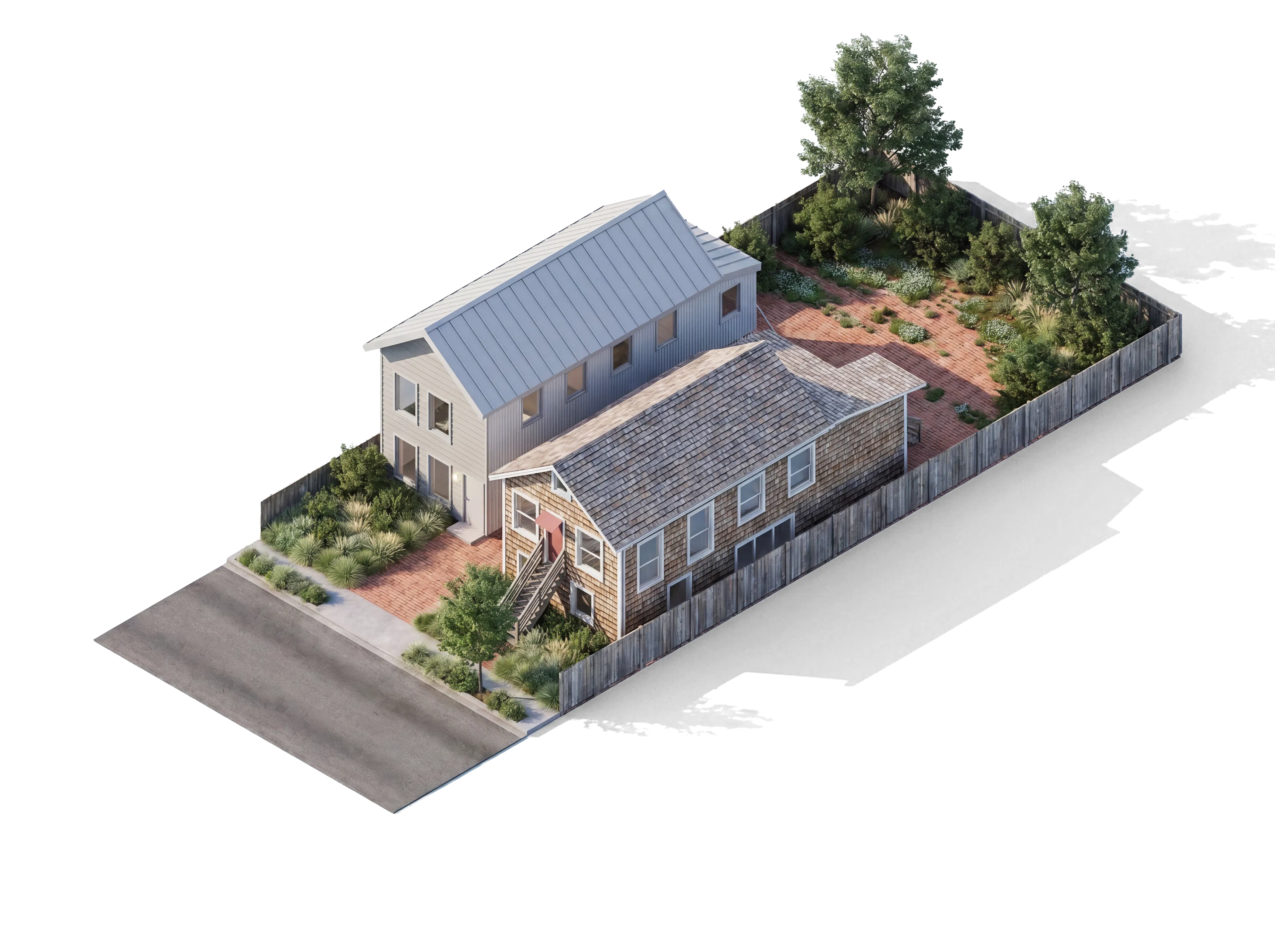
Hearst transforms a long-vacant house on a large TIC lot in West Berkeley into a new home for the owners’ daughter. The existing structure was in poor condition, but its protected historic status made a straightforward demolition-and-rebuild approach infeasible. Rather than pursue full demolition or full restoration, the project uses a hybrid reconstruction strategy. By retaining more than half of the existing exterior envelope, Hearst maintains a ministerial approval path while allowing the compromised portions of the building to be rebuilt through a new Type Five structural system.
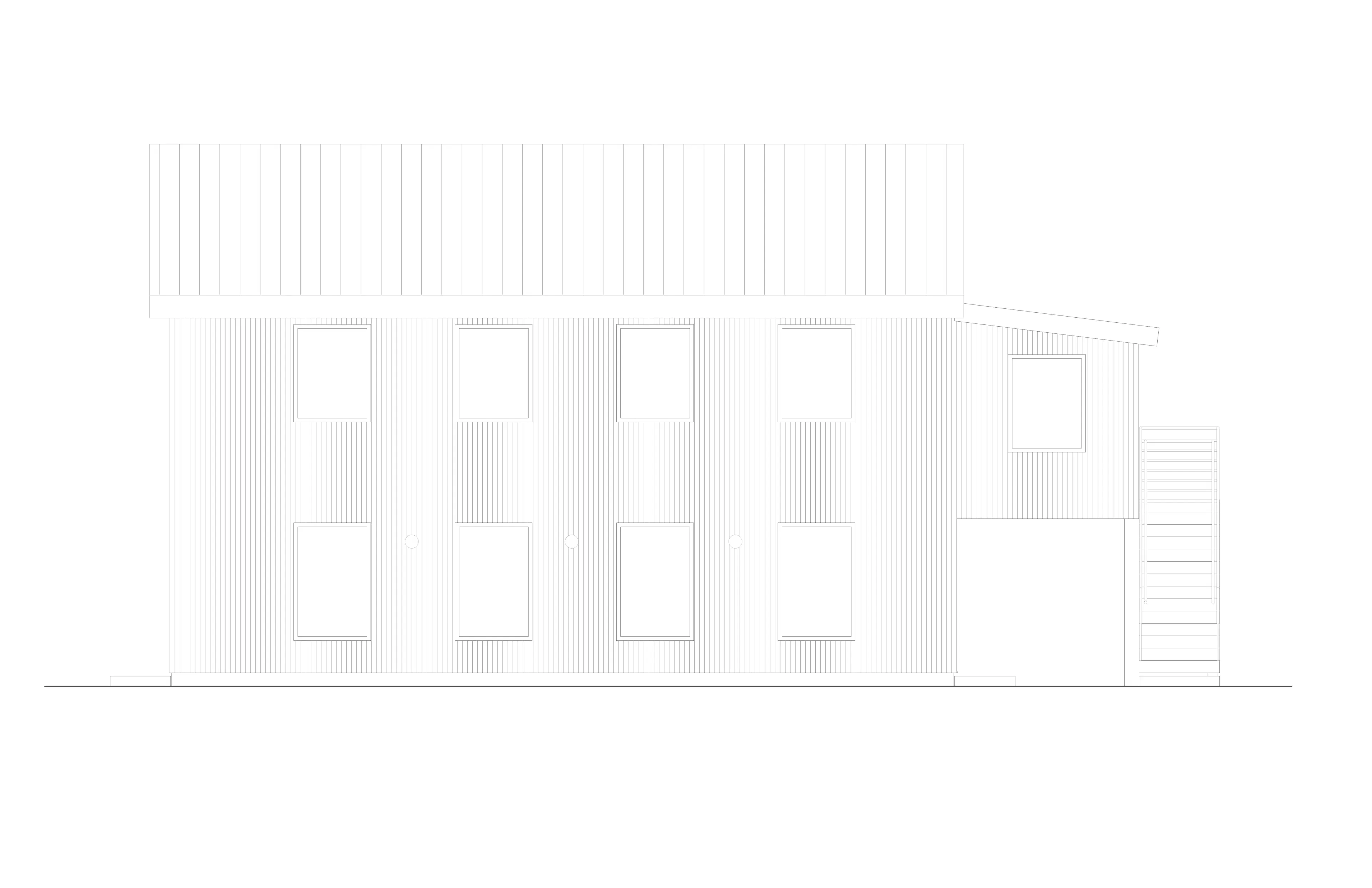
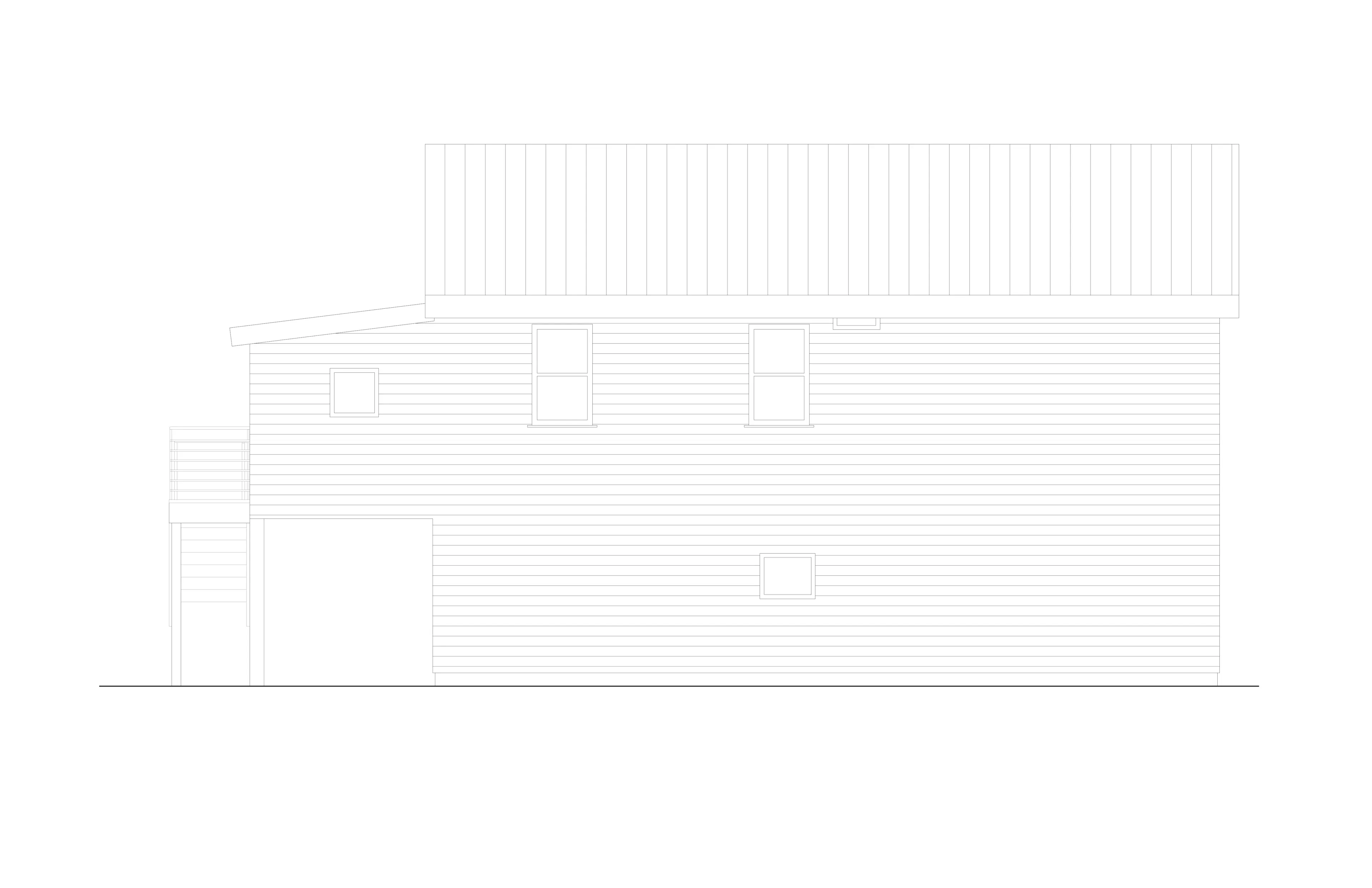
A protected West Berkeley house is partially retained and substantially rebuilt, preserving the front and one side wall while replacing the rear and remaining side with new construction. The project creates a functional new home within the procedural and material limits of the existing structure.
Details
- 1,600 exterior square feet
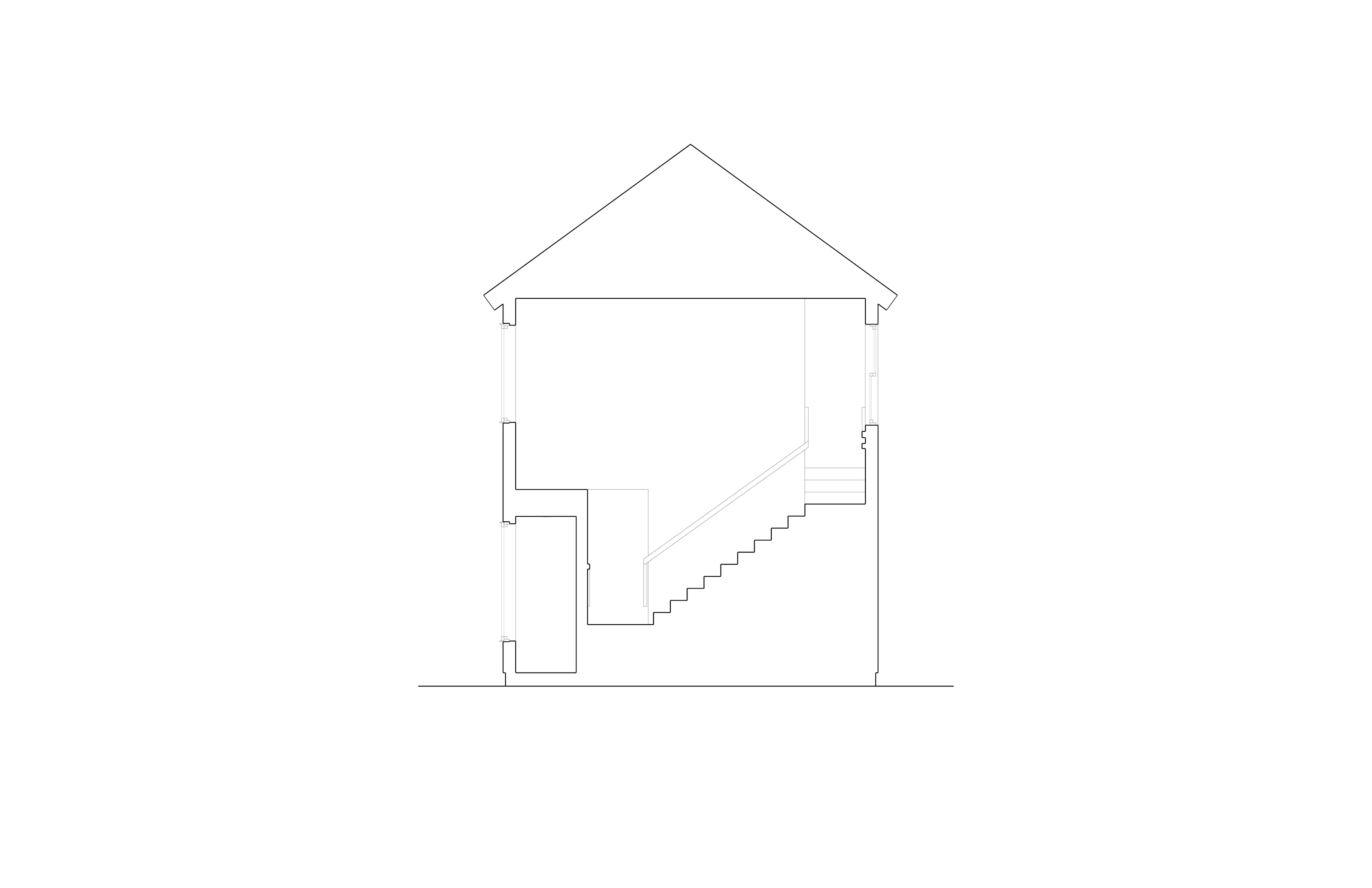
- Two-story layout
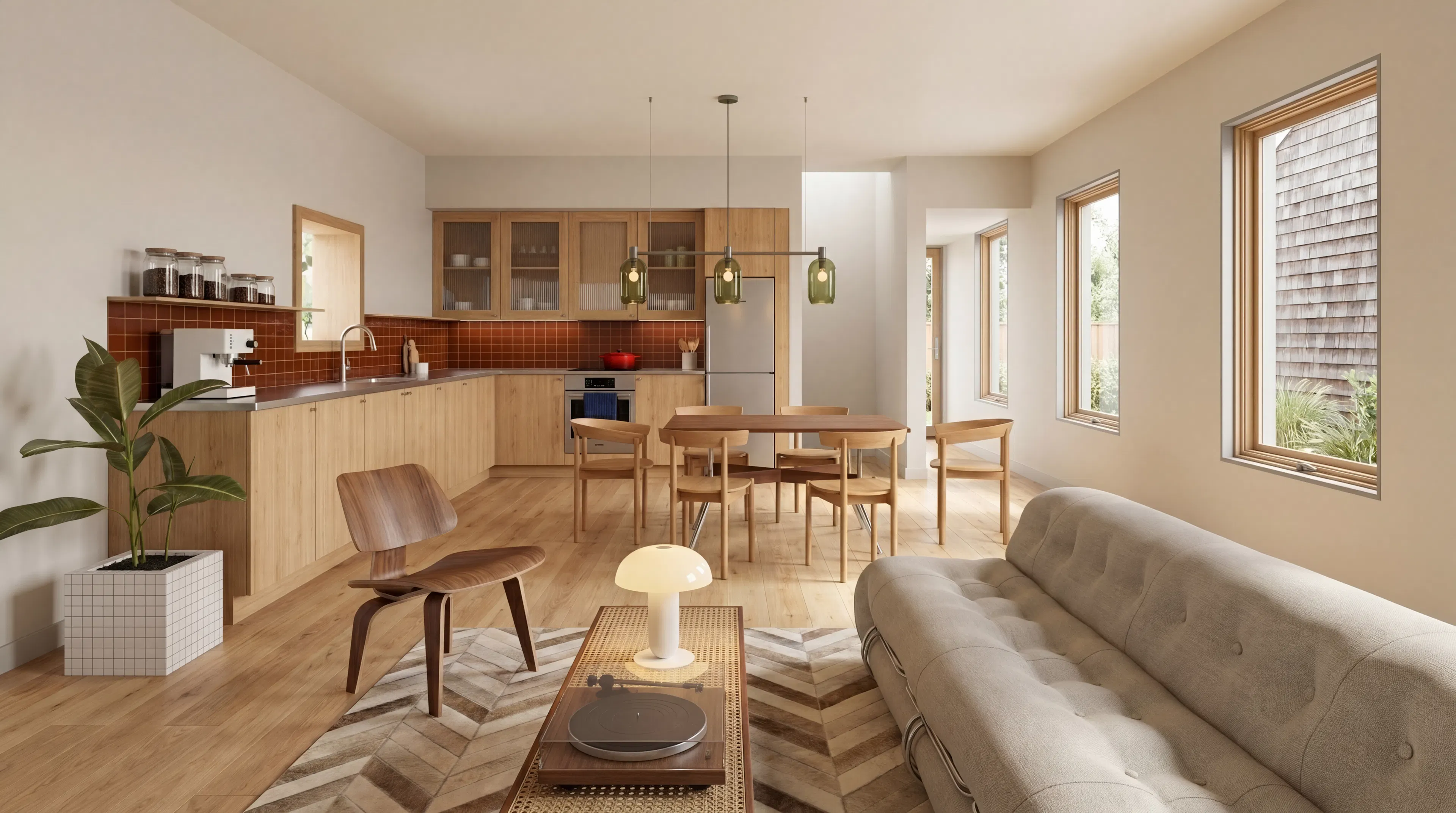
- Three-bedroom, two-bathroom
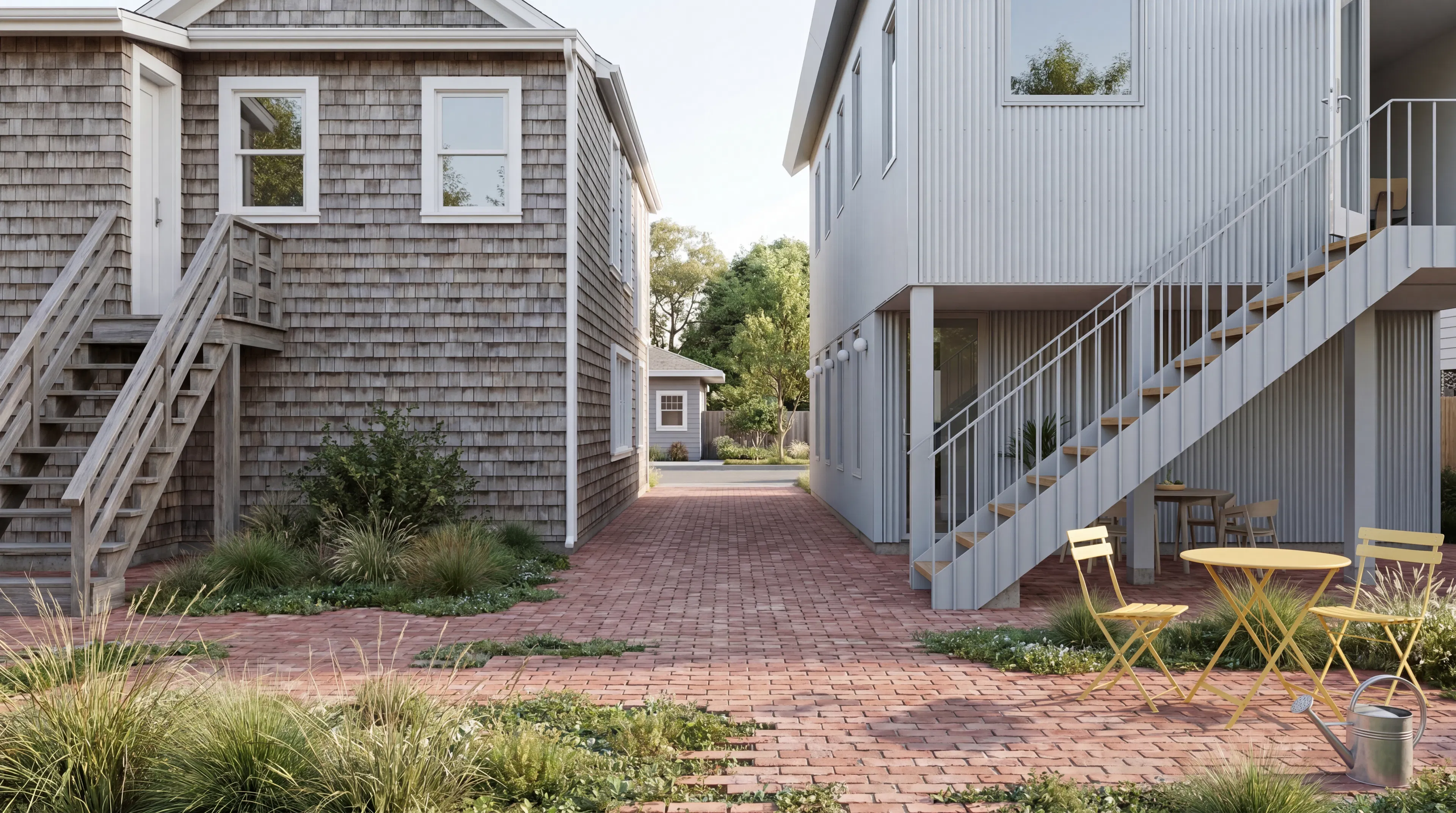
- Back balcony and exterior stair
The house sits on a large lot held as a tenancy in common with another home. It had been vacant for a long time, and the owners had been unsure what to do with it. The building was too deteriorated to serve as a straightforward renovation project, but its legal and historic status made it difficult to approach as a simple replacement.
The owners wanted to create a new house that their daughter could live in, close to their existing friends, neighbors, and community. The vacant structure became both a problem and an opportunity: an unused building occupying valuable land, but also a way to keep family nearby without leaving the neighborhood or disrupting the broader property arrangement.
That goal reframed the project around reactivation rather than expansion. The work is not about maximizing development potential or adding density in the abstract. It is about turning a stranded and deteriorated house back into a useful home for a specific family member.
By retaining the parts of the structure necessary to preserve the approval path and rebuilding the parts that could no longer reasonably perform, Hearst creates a new residence out of an existing but inactive piece of the city’s housing fabric.
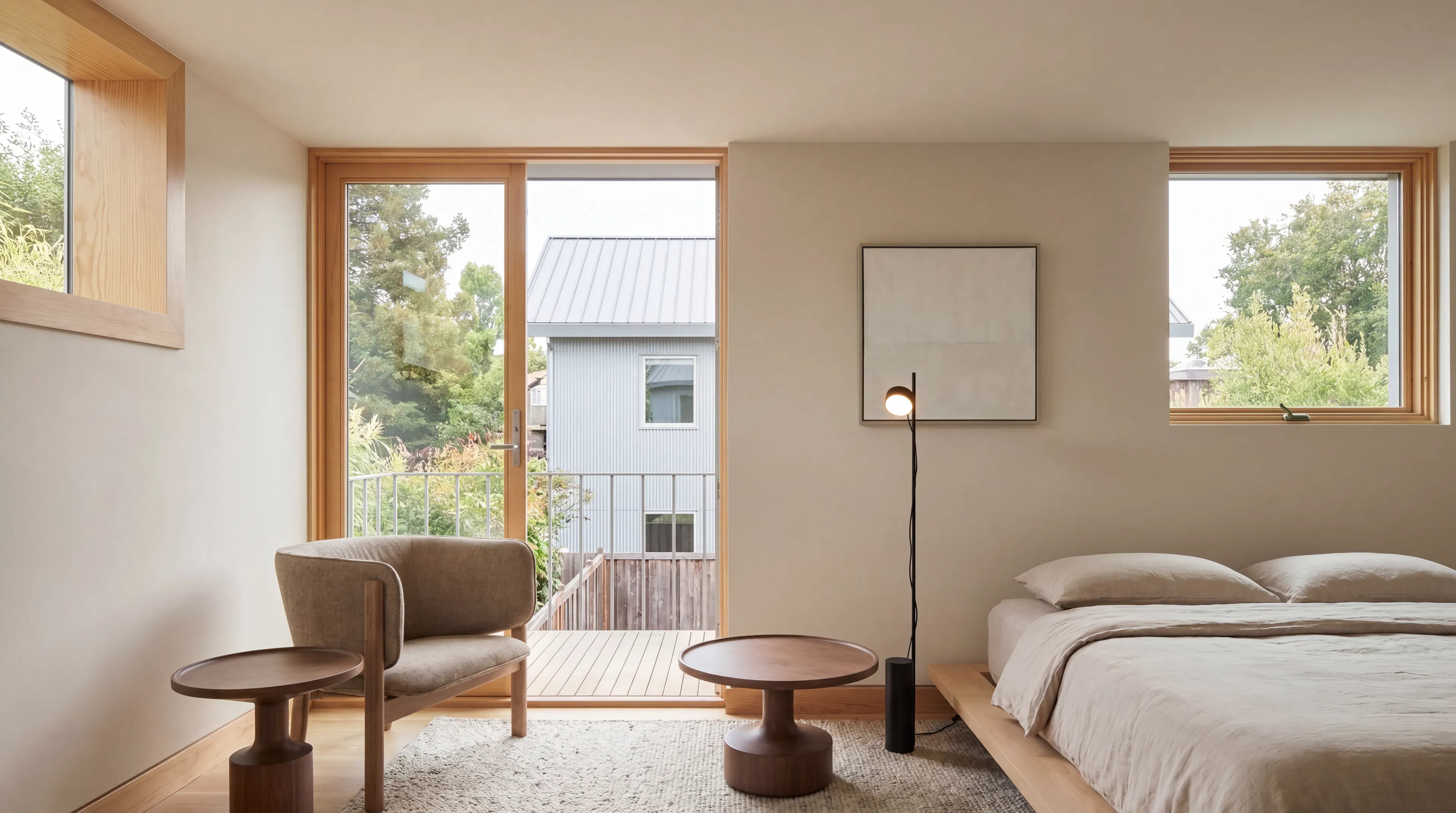
Hearst began as a straightforward replacement project. The existing house was in very poor condition, and the initial assumption was demolition followed by new construction. The project changed when we learned that the house, despite its condition and unremarkable architecture, was protected under Berkeley’s historic register.
That designation moved the project into a more specific regulatory category. Full demolition would likely have triggered a less predictable historic review process, while full preservation would have required a level of idiosyncratic repair that did not match the owners’ goals or the building’s condition.
The viable path was based on a material threshold: if more than fifty percent of the exterior envelope could be retained, the project could proceed ministerially under both building and historic codes. That threshold became the organizing principle for the design, documentation, and construction strategy.
The project retains the front wall and one side wall of the existing house in their entirety, including studs, cladding, and windows. The rear and remaining side are replaced with a Type Five structural and compositional system. This allows the project to preserve regulatory continuity where required, while introducing new construction where the original building fabric can no longer support the life of the house.