Top ADU Companies Berkeley: Your Complete Guide to Choosing the Best Builder

Introduction
The top ADU companies in Berkeley are not simply the contractors with the lowest square foot price; they are the firms that combine strong design, accurate pricing, permitting expertise, and disciplined construction management. For homeowners comparing an ADU builder, the best choice is usually a full-service, locally experienced team that can turn a backyard, garage conversion, or detached accessory dwelling into durable living space without leaving major details unresolved and can be a true partner.
This guide is for Berkeley homeowners, property owners, and families considering an ADU for rental income, family members, friends, a home office, or long-term property value. It covers how to evaluate an ADU contractor, what Berkeley market conditions affect costs and timelines, and how to avoid common mistakes. It does not provide a specific quote for your property, legal advice, or a city-by-city permit guarantee.
The direct answer: the best ADU contractor for a Berkeley project is typically a licensed California Class B design-build firm with proven permitting success in your municipality, transparent pricing, strong communication, and the ability to adapt plans to your site, budget, and lifestyle.
By the end of this guide, you will understand:
- What separates top-tier ADU companies from average contractors
- Why San Jose, Berkeley, Oakland, San Francisco, Peninsula cities, and other Northern California communities can require different ADU strategies
- How to compare licensing, insurance, portfolios, pricing, and local references
- Why pre approved plans, custom ADUs, prefab ADUs, and garage conversion projects vary widely
- Which red flags to avoid before you sign a contract or spend serious money
Understanding What Makes the Best ADU Contractor "Top-Tier"
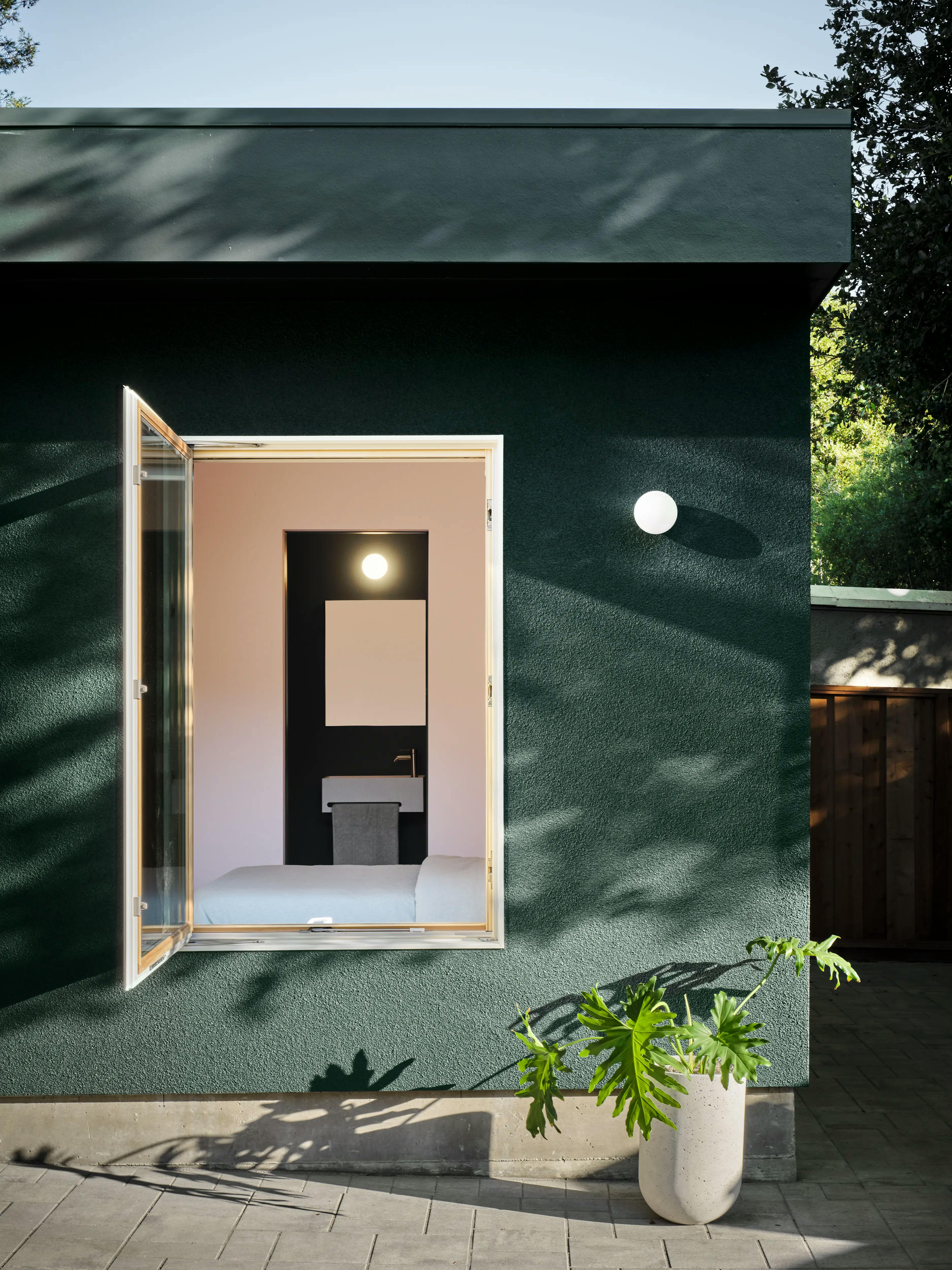
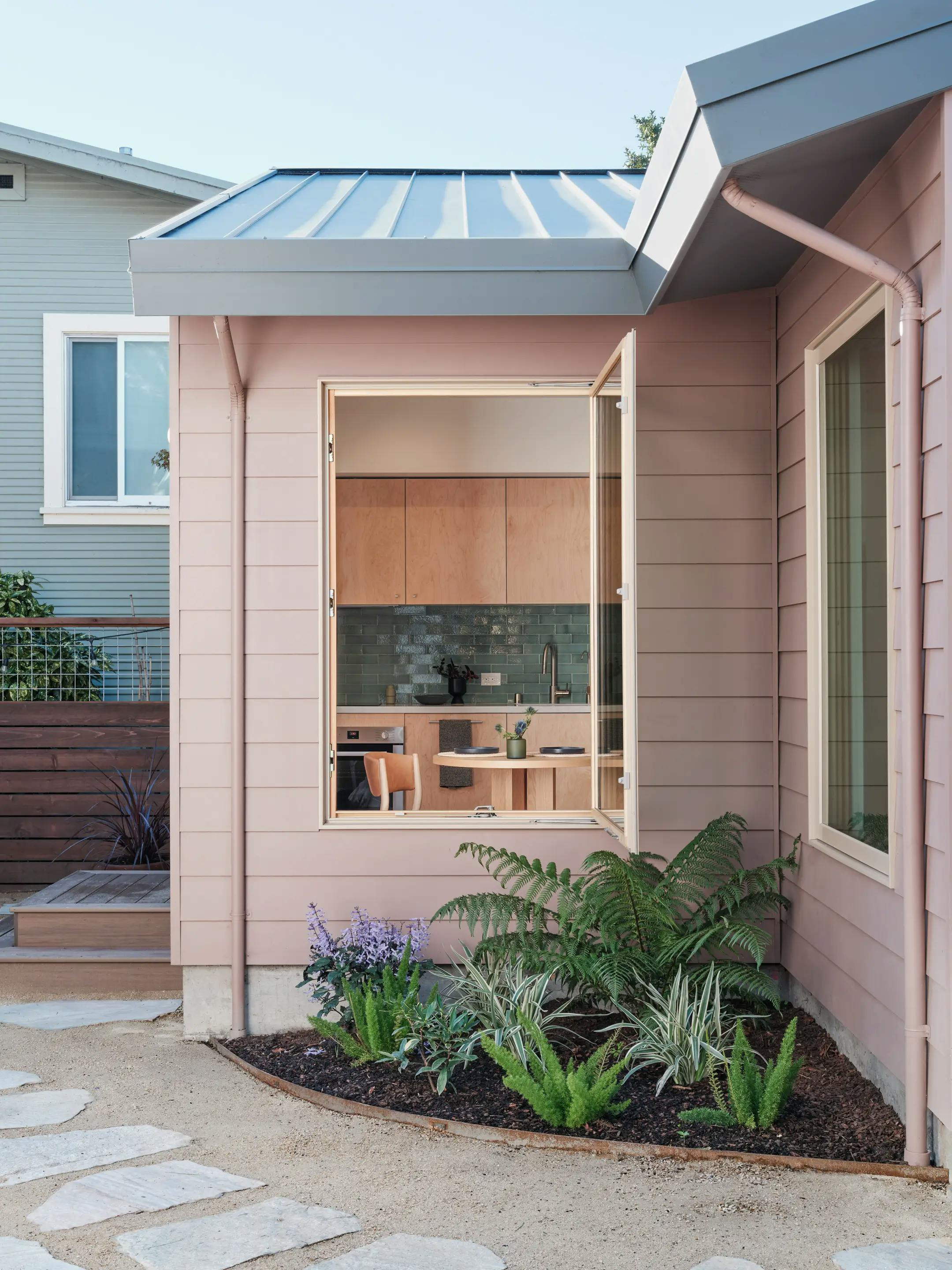
A top-tier ADU company is a construction company that can manage the full process from feasibility through final inspection with professional discipline. That means the team understands design, engineering, permits, site preparation, utilities, budget control, and finish quality-not just framing and construction, like Berkeley ADU builder Type Five, who uses a streamlined, standardized ADU design-build process to keep each phase coordinated.
This matters in Berkeley because an ADU is rarely a simple backyard structure. Local zoning, seismic requirements, California energy code Title 24, wildfire-area constraints, utility capacity, and neighborhood design expectations can all affect whether your dream ADU is practical, affordable, and permitted on schedule. Berkeley has unique zoning laws that can vary from statewide mandates, so a builder that works well in one city may not automatically be the right partner in another county or municipality.
ADU construction approaches vary widely in cost, timeline, and site compatibility. A detached backyard home, a garage conversion, a JADU within the main residence, a prefab model, and a fully custom studio can all create valuable space, but each one carries different design, permitting, construction, and cost implications.
Design-Build Integration
Design-build means one firm manages architecture, permitting, and construction under one contract. Instead of hiring a designer, then an engineer, then an adu contractor, then separate subcontractors, the homeowner works with one accountable team from the first floor plan discussion through final punch list.
Design-build firms manage architecture, permitting, and construction under one contract, which helps clients benefit from a single point of contact when managed by a full-service firm. That single point of contact is important because ADU builders coordinate structural engineering and city submittals, and those details must align with the design, budget, construction schedule, and inspection process.
This integrated model is especially useful for custom ADUs, hillside lots, narrow backyards, and projects where the ADU must complement the main residence. When the designer understands construction costs and the builder understands design intent, homeowners are less likely to see attractive plans turn into expensive change orders later.
Transparent Pricing and Process
Transparent pricing means the builder explains what is included, what is excluded, and where risk remains. A strong proposal should separate hard costs, such as labor and materials, from soft costs, such as design, engineering, surveys, Title 24 documentation, and permits.
Itemized breakdowns help separate hard costs from soft costs in construction proposals. Transparent pricing structures help avoid hidden fees in ADU projects, especially when utility work, soil reports, retaining walls, fire requirements, or plan check corrections may affect the final budget.
Building an ADU in Berkeley typically costs $300 to $450 per square foot, and many detached units can exceed that range depending on site conditions, finish level, and city requirements. A 750 SF plan is often an ideal size for budget-conscious ADUs because it can provide meaningful living space while helping homeowners control construction scope, utility requirements, and total costs.
California law limits down payments for home improvement projects to 10% or $1,000. Any contractor asking for more upfront should be treated as a serious red flag.
Local Market Expertise
Local expertise means more than being located in Northern California. It means the builder has experience with the specific planning process, zoning rules, permit submittal standards, utility providers, inspection expectations, and neighborhood design concerns in your city.
Homeowners should prioritize companies with proven permitting success in their municipality. Selecting a builder familiar with local planning processes can expedite construction because the team is more likely to know what city reviewers expect before plans are submitted.
Permits are necessary for constructing accessory dwelling units. ADU builders handle all permit acquisitions for clients in many full-service models, but site-specific plan submission is still required for permits even when standardized or pre approved plans are used.
Berkeley and San Jose ADU Market Considerations
Once you understand what a top-tier firm does, the next step is understanding why the Berkeley requires a more careful ADU process than many other markets. The same floor plan can face different costs, timelines, and design constraints depending on whether the property is in San Jose, Berkeley, Oakland, San Francisco, Marin, the Peninsula, or another Berkeley community.
ADUs can increase property value and rental income potential, but the investment only works when the plan matches the property. Actual monthly rental income depends on location, size, finish level, furnishings, privacy, and local demand.
Homeowners should compare any expected rental income against financing, property tax changes, insurance, maintenance, utilities, and management needs.
Permitting Complexity Across Jurisdictions
Permitting can take several months depending on local regulations. San Jose, for example, may be more streamlined for certain ADU models, while cities with stricter design review can require more documentation, revisions, and time.
Pre-approved or standardized plans can help expedite the ADU permitting process when the property and city requirements match the plan assumptions.
Pre-approved plans are not a universal shortcut: site-specific plan submission is still required for permits because the city must review placement, setbacks, utilities, drainage, fire access, and other property-specific details.
California energy code Title 24 mandates compliance for new construction projects. Environmental zoning experience is critical for properties in wildfire areas, where fire-safe materials, access, defensible space, and additional review requirements can affect both design and construction.
Site Challenges and Terrain
Berkeley lots often introduce constraints that do not appear in a basic online cost calculator. Hillside properties, small urban parcels, flag lots, tight side yards, older sewer lines, limited PG&E capacity, and difficult equipment access can all affect the final project.
Site preparation can be a major cost driver. Soil conditions, retaining walls, drainage, foundation type, trenching, and utility upgrades may determine whether prefab, custom site-built construction, or a garage conversion is the most practical approach.
Prefab and modular ADUs are typically built off-site, which can reduce disruption at the property, but delivery, crane access, foundation work, utility connections, and local compliance still happen on site.
Some prefab ADUs can be completed in as little as 6 months when the scope is fixed, site conditions are straightforward, and permitting moves efficiently. Type Five takes a different approach: it builds every ADU on site with standard wood framing, with construction typically taking about six months once permits are approved.
Design Compatibility with Existing Architecture
A strong ADU should feel like a thoughtful extension of the property, not an afterthought placed in the backyard. Berkeley homes include Victorian, Craftsman, Spanish Revival, mid-century modern, and contemporary styles, and the new accessory dwelling should usually complement the main residence in roofline, siding, windows, scale, and materials.
ADUs can serve as guest houses or home offices, and custom ADUs can also support long-term family needs, aging parents, adult children, visiting friends, or a private rental unit.
ADU builders often use eco-friendly materials and energy-efficient features. Type Five builds customizable, design-forward ADUs and backyard homes with sustainable design, efficient heating and cooling, insulation, window performance, and smart layouts can improve comfort and long-term value.
Many builders use software-enabled systems for modular design in residential construction. These tools can help homeowners explore models, floor plan options, finishes, budget ranges, and space planning before committing to final plans.

How to Evaluate and Select Your ADU Company
Choosing an ADU company should feel like a structured evaluation, not a sales conversation. The right builder should be able to explain the process, identify site risks, discuss permits, show relevant work, and give honest guidance about whether your budget matches your goals.
Do not look only for the lowest price per sq ft. Look for a professional expert team that can maximize value, communicate clearly, and create a realistic path from concept to completion. A great experience usually comes from the quality of the process as much as the quality of the finished house.
Initial Consultation Process
Top-tier companies use the first consultation to test feasibility, not just sell the project. Expect a serious conversation about property constraints, city rules, family goals, investment return, schedule, design preferences, and budget.
- Initial site assessment: The builder reviews the property, access, setbacks, utilities, slope, existing structures, and likely site preparation issues.
- Design discussion: The team clarifies whether you need a rental unit, guest space, home office, granny flats for family members, or a flexible studio for changing lifestyle needs.
- Permitting roadmap review: The builder explains permits, pre approved plans, site-specific plan submission, city review expectations, and possible correction cycles.
- Pricing presentation: The company provides itemized pricing, separates hard and soft costs, identifies allowances, and explains where the project may require contingencies.
Construction timelines can be predictable when the scope is. However, timelines become less predictable when homeowners change finishes, cities request revisions, utilities require upgrades, or the site reveals conditions that were not visible during early planning.
Company Credentials Comparison
Before choosing an ADU builder, verify credentials and proof of performance. A polished website or social media post is not enough.
Credential | What to Look For | How to Verify |
Licensing | Builders should hold an active Class B General Building Contractor license in California | Check the California Contractors State License Board record, license status, bond, and complaint history |
Insurance | General liability and workers’ compensation coverage appropriate for residential construction | Request current certificates directly from the insurer or broker |
Portfolio | Completed ADUs similar in sq ft, site conditions, design quality, and city requirements | Ask for before, during, and after photos, addresses where appropriate, and examples of comparable plans |
Local references | Clients in your city or county with similar property conditions | Speak with past clients about communication, pricing, timeline, permits, and quality control |
The strongest credentials are practical, not decorative. A builder should be able to show how the team handled permitting, engineering, inspection, subcontractors, finish details, and client communication on projects similar to yours. Type Five has built dozens of ADU projects across the Bay Area that demonstrate results in real backyards and neighborhoods.
Technology, Design Tools, and Prefab ADUs
Technology is not a substitute for construction expertise, but it can improve decision-making. Modern ADU firms may use design configurators, 3D renderings, digital finish selections, project management dashboards, and feasibility tools to help clients understand space, pricing, and schedule earlier, especially when they are that integrate design and construction under one roof. This is especially useful for homeowners comparing prefab, semi-custom, and fully custom models
Type Five uses a software-enabled design process that allows anyone to design their dream adu on their website. The online design tool helps show how a 500 sq ft studio differs from a 750 SF two-bedroom in layout as well as construction cost estimates.
The best tools connect design choices to real constraints. A roofline, window package, kitchen layout, or foundation change should not be treated as a simple aesthetic option if it affects engineering, Title 24 compliance, permits, construction time, or budget.
Common Challenges and Solutions
Most ADU problems begin before construction starts. Unclear scope, weak permitting strategy, poor communication, and unrealistic schedules can turn a promising project into a stressful one.
A good builder will not promise that every risk can be eliminated. Instead, the company should identify risks early, document assumptions, communicate regularly, and adjust professionally when site or city requirements change.
Unclear Pricing and Hidden Costs
The solution is to demand an itemized estimate before signing. The proposal should explain design fees, engineering, permits, utility work, foundation assumptions, site preparation, finishes, appliances, landscaping repair, and any exclusions.
Ask how change orders are priced and approved. Transparent pricing should tell you when extra money may be required and who decides before the work proceeds.
Be cautious when a contractor gives a low square foot estimate without explaining whether it includes soft costs, utility upgrades, soil reports, Title 24 work, or city fees. In Berkeley, those details can change the value of the proposal more than the headline number.
Poor Communication During Construction
The solution is to establish communication protocols upfront. Ask who your day-to-day contact will be, how often updates are sent, whether meetings are weekly or bi-weekly, and how the company documents decisions.
Clients should know whether the builder uses a project management platform, shared schedule, photo updates, or written milestone reports. Good communication is not just friendly service; it protects the project from missed details and disputes.
If you are building for family, rental income, or a future investment sale, communication matters because delays can affect move-in plans, lease timing, financing, and household routines.
Permitting Delays and Complications
The solution is to vet the company’s permit success rate in your municipality. Ask how many ADU permits the team has handled in your city, whether the builder understands local planning processes, and how the team responds to correction letters.
Permitting can be expedited with pre approved plans, but those plans are not a universal shortcut. The property still needs site-specific review, and local regulations may affect setbacks, height, fire access, utilities, parking, tree protection, or design compatibility.
A builder with strong local knowledge should be able to explain the difference between statewide California ADU rights and your city’s objective standards. That distinction is critical in communities where local rules still shape the path to approval.
Quality Control and Timeline Issues
The solution is to define quality standards, inspection milestones, and schedule assumptions before construction begins. The contract should clarify materials, finish packages, subcontractor responsibilities, payment schedule, change-order rules, and warranty process.
Prefab can help some homeowners reduce on-site construction time, but prefab is not automatically better for every site. Prefab ADUs can be completed in as little as 6 months under the right conditions, but access, slope, crane placement, utility work, and city review can affect that timeline.
Custom site-built ADUs may take longer, but they can adapt more easily to unusual lots, architectural compatibility, and specific family or rental goals. The right answer depends on your property, plans, budget, and priorities.
Conclusion and Next Steps
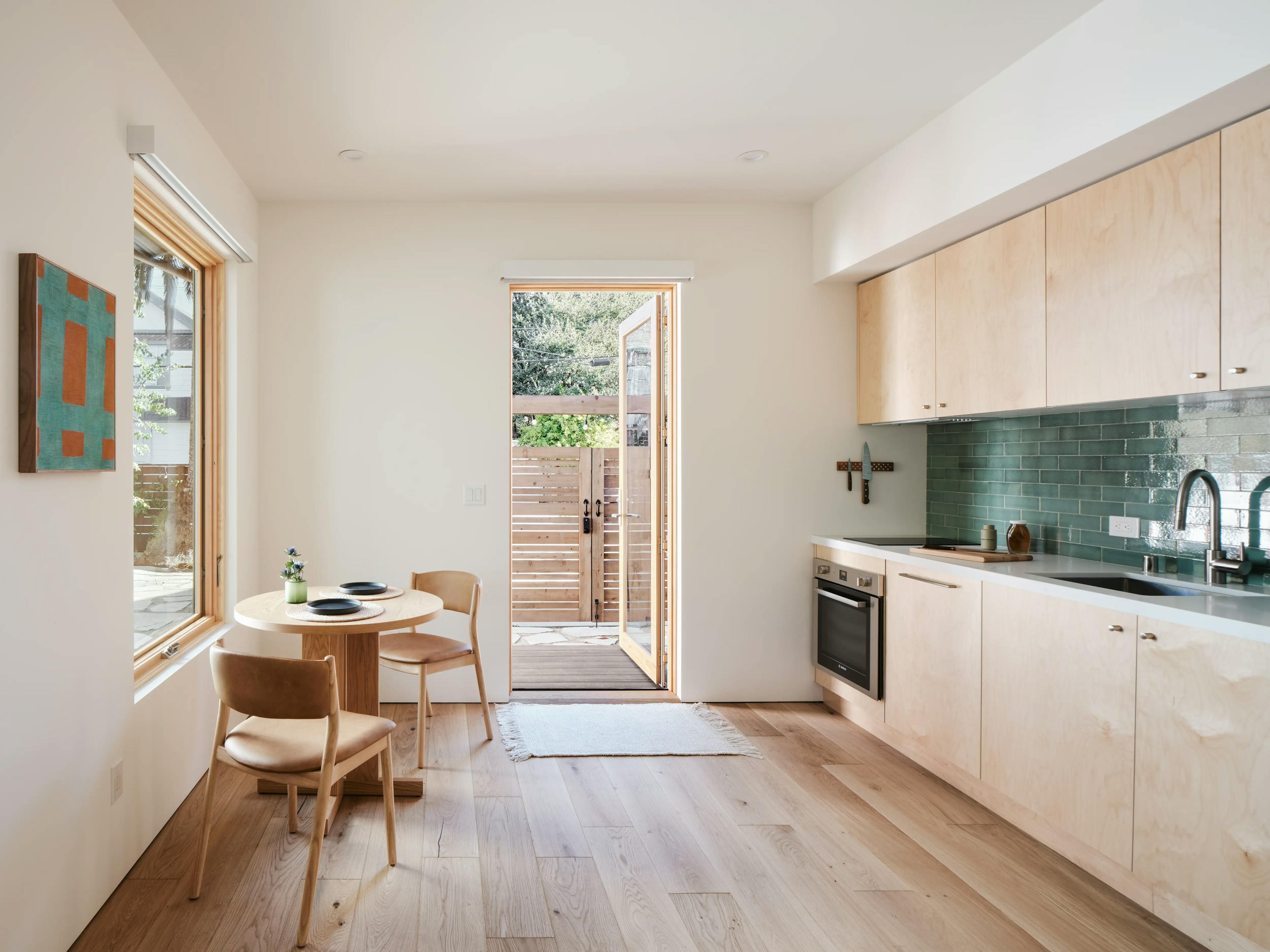
The top ADU companies in Berkeley combine design expertise, transparent pricing, full-service process management, and deep local knowledge. The best firm for your project is the one that can explain your options clearly, handle permits professionally, manage construction responsibly, and create living space that fits your property and goals.
Use these next steps to move forward:
- Assess your property’s ADU potential: Review available backyard space, garage conversion options, access, utilities, slope, and relationship to the main residence.
- Research local permitting requirements: Look at your city’s ADU rules, pre approved plans, permit timelines, and objective design standards.
- Schedule consultations with qualified design-build firms: Prioritize licensed, insured teams with proven local experience, transparent pricing, and strong communication.
- Compare total value, not just price: Consider property value, monthly rental income, long-term family use, energy efficiency, design quality, and risk management.
- Confirm financial fit: Review cash, HELOC, construction lending, rental projections, and contingency reserves before committing.
Related topics worth exploring include ADU financing options, ADU rental income potential, sustainable building practices, Title 24 requirements, and the tradeoffs between prefab adus, custom adus, and garage conversion projects.
Additional Resources
Use these resources as starting points before selecting an ADU contractor:
- Berkeley city permitting websites and contacts: Check your city’s planning and building department pages for ADU rules, permit submittal requirements, fees, inspection steps, and pre approved plans.
- ADU financing programs and lenders: Explore HELOCs, renovation loans, construction-to-permanent loans, and local incentive programs that may support accessory dwelling construction.
- California ADU law updates and requirements: Review statewide ADU rules, local zoning updates, Title 24 energy requirements, wildfire-area regulations, and building code changes before finalizing plans.
Looking for an ADU builder?
Every ADU project is unique, and Type Five wants to hear about your vision. By understanding your lifestyle and budget, we help turn your dream ADU into a reality. Schedule a free consultation to discuss your ADU project, and learn more about working with us.