Complete Guide to ADU Builders: How to Choose the Right Professional for Your Accessory Dwelling Unit

Introduction
Finding a specialized professionals who designs, permits, and constructs accessory dwelling units on residential properties requires some research. These skilled builders possess expertise that extends far beyond traditional homebuilding, combining knowledge of complex zoning regulations, building codes, and the unique engineering requirements that come with adding a secondary living space to an existing property.
This guide covers everything homeowners need to know about selecting and working with a builder that's right for your needs, including how to evaluate their qualifications, understand the services they offer, plan realistic budgets and timelines, and avoid common pitfalls. It does not cover DIY methods or specific local regulations, as these vary significantly by jurisdiction and require direct consultation with local authorities.
Whether you’re considering a home for aging parents, a rental unit to generate rental income, or a guest house for adult children, understanding how to choose the right builder is essential. ADU builders are specialized contractors who manage the entire lifecycle of accessory dwelling unit construction—from initial consultation through design, permitting, and final completion—serving as your single point of accountability throughout the building process.
By the end of this guide, you will understand:
- How to evaluate architect and contractor qualifications and experience
- The full range of services professional builders provide
- Realistic cost expectations and transparent pricing structures
- Timeline planning strategies for a stress free construction process
- Red flags and common pitfalls to avoid when selecting a builder
Understanding Your Options
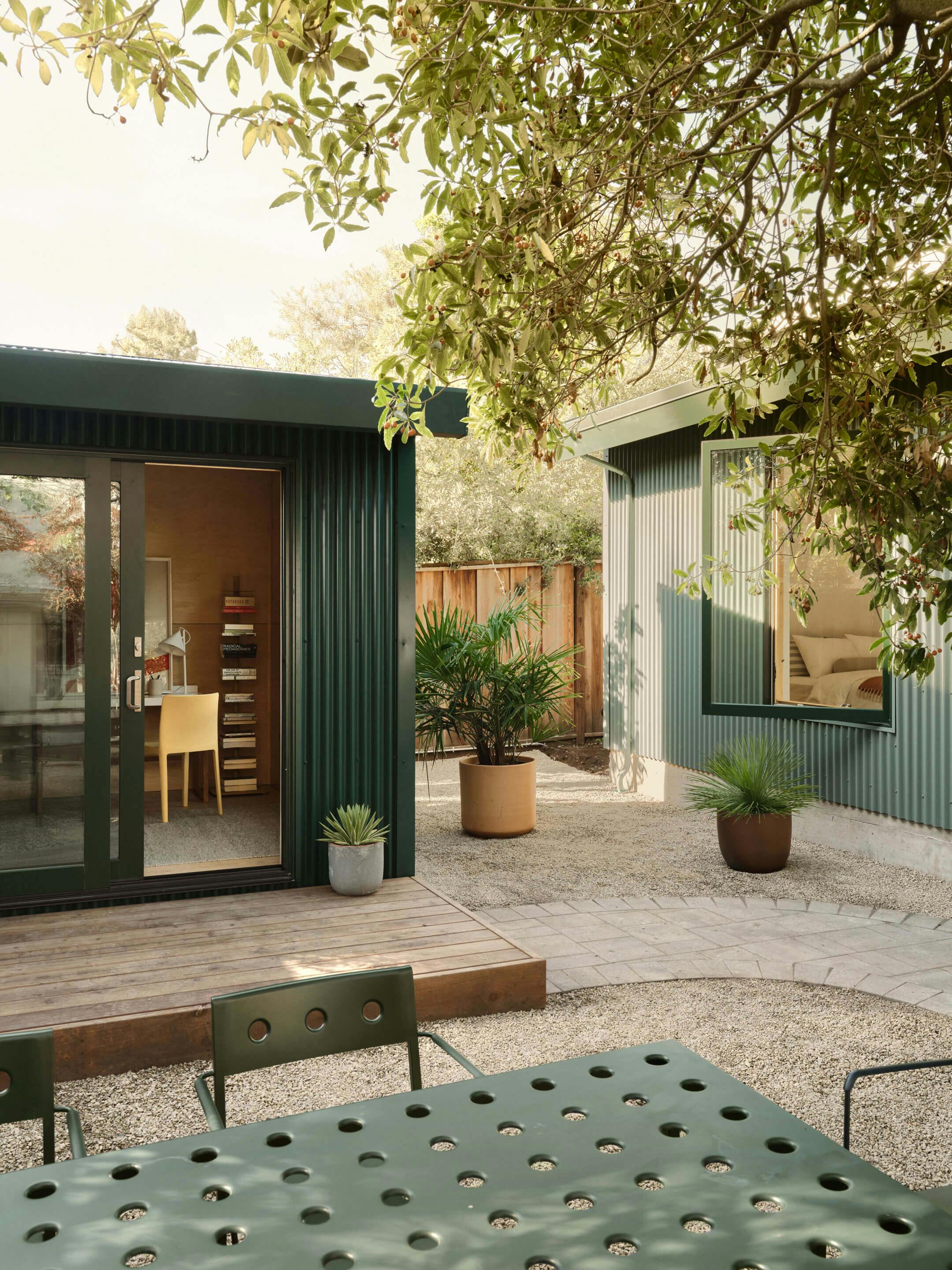
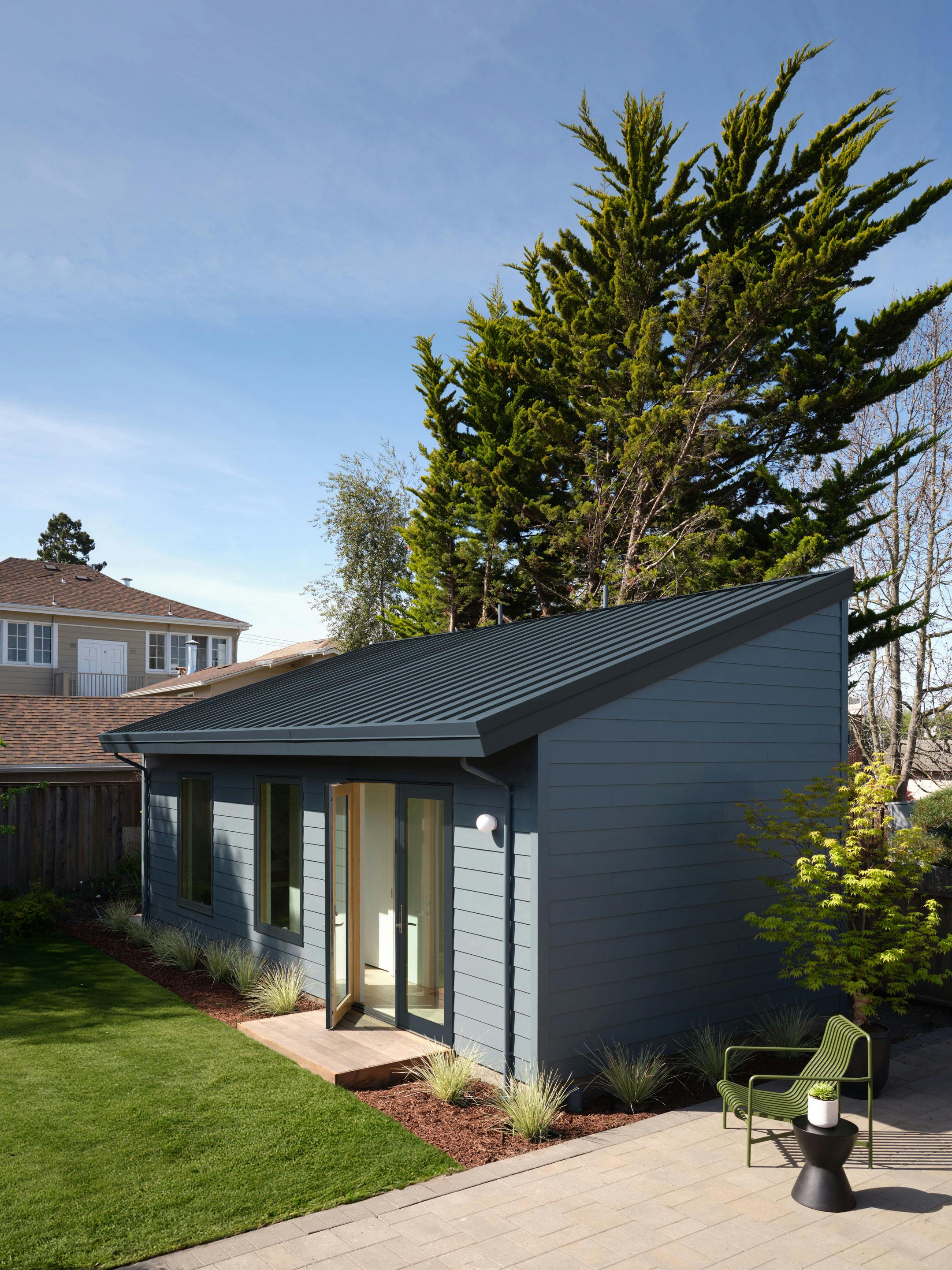
ADU contractors operate in a specialized niche that requires expertise extending far beyond what general contractors typically offer. These professionals focus specifically on building ADUs—whether detached ADUs in your yard, garage conversions that transform an attached garage into living space, or in-law suite additions connected to your main house.
Their role encompasses navigating the complex regulatory framework surrounding accessory dwelling units, including state-level programs, local ordinances, and neighborhood-specific requirements. This specialized knowledge is essential because ADUs involves unique zoning constraints, utility connection challenges, and design considerations that differ significantly from standard residential design.
Full-Service Design-Build
Companies that offer both design and build services function as comprehensive ADU partners, integrating multiple functions into a single entity, similar to one-stop ADU design, permitting, and construction services. These ADU experts handle design conception, permitting navigation, construction management, and quality assurance simultaneously through what’s known as the design-build approach.
Services typically include architectural design, site assessment, feasibility studies, permit application management, material procurement, subcontractor coordination, and on-site supervision. The expert design team works alongside experienced permit coordinators to ensure your project moves smoothly from concept to completion.
This integrated structure prevents miscommunication between separate contractors and architects—a common source of timeline delays and cost overruns. For homeowners seeking personalized service with clear accountability, full-service architect-builders offer the perfect blend of expertise and convenience through a single point of contact.
Specialized ADU Contractors
Specialized ADU contractors focus on specific aspects of accessory dwelling unit construction rather than offering end-to-end services. These include garage conversion specialists who transform existing garages into fully equipped living quarters, tiny home builder companies focused on compact detached structures, and modular or prefab ADU installers offering pre-designed homes built in factories.
A garage conversion specialist, for example, possesses deep expertise in converting an attached garage into a cozy rental unit complete with full kitchen and bathroom. Modular ADU installers work with pre-manufactured structures that can significantly reduce on-site construction time.
The relationship between specialized and full-service builders depends on your scope and complexity. Homeowners with straightforward conversions may find specialized contractors offer competitive pricing, while those undertaking custom ADU construction on challenging sites often benefit from full-service coordination.
Understanding these distinctions helps you select the right professional based on your specific needs, which leads us to examine the complete range of services available.
Evaluating and Choosing ADU Builders
Selecting the right ADU builder significantly impacts the success, cost, and your overall experience for building an ADU. A systematic evaluation approach helps homeowners identify qualified professionals while avoiding costly mistakes.
Essential Builder Qualifications
Credentials matter enormously in ADU construction because the specialized nature of these builds requires expertise that differs fundamentally from general residential contracting.
Licensing and Insurance Requirements
Verify that any builder you consider holds appropriate state contractor licensing and carries comprehensive insurance coverage. Request certificates of insurance directly and confirm active license status through your state’s contractor licensing board.
ADU-Specific Experience and Portfolio
Construction experience with accessory dwelling units specifically, not just general residential builds, indicates a builder understands the unique challenges involved. Request a portfolio showing completed ADUs similar to yours in scope and style, and ask about their experience with detached ADUs, garage conversions, or whatever type of ADU you’re planning.
Local Market Knowledge
Builders with established presence in your area typically maintain relationships with local permitting authorities and understand jurisdiction-specific requirements, which is especially important in cities with detailed rules such as Palo Alto. Ask about their permit approval rates and average timeline from application to approval.
Client References and Reviews
Request references from recent ADU clients and follow up with direct conversations. Ask specifically about communication quality with the homeowner, how the builder handled unexpected challenges, and whether the ADU was completed on budget and schedule.
Cost and Contract Comparison
Understanding how to evaluate quotes and contracts protects homeowners from common financial pitfalls while ensuring you receive appropriate value. When comparing quotes, ensure you’re evaluating equivalent scopes of work. A lower price often reflects excluded services rather than better value. Request detailed breakdowns that allow direct comparison across builders. This thorough evaluation process helps prevent the common challenges homeowners encounter during ADU projects.
When comparing quotes, ensure you’re evaluating equivalent scopes of work. A lower price often reflects excluded services rather than better value. Request detailed breakdowns that allow direct comparison across builders. This thorough evaluation process helps prevent the common challenges homeowners encounter during ADU projects.
Evaluation Factor | What to Look For | Red Flags |
Pricing Structure | Transparent pricing, with detailed line items | Vague estimates or verbal-only quotes |
Payment Schedule | Milestone-based payments tied to completion | Large upfront deposits exceeding 10% |
Included Services | Clearly defined scope covering design through completion | Ambiguous scope or excessive exclusions |
Change Order Process | Written procedures for handling modifications | No formal process for scope changes |
Warranty Coverage | Minimum one-year workmanship warranty | No warranty or verbal-only promises |
Common Challenges and Solutions
Even with careful builder selection, ADU projects present characteristic challenges. Understanding these issues and their solutions helps homeowners set realistic expectations and establish appropriate safeguards.
Cost Overruns and Budget Management
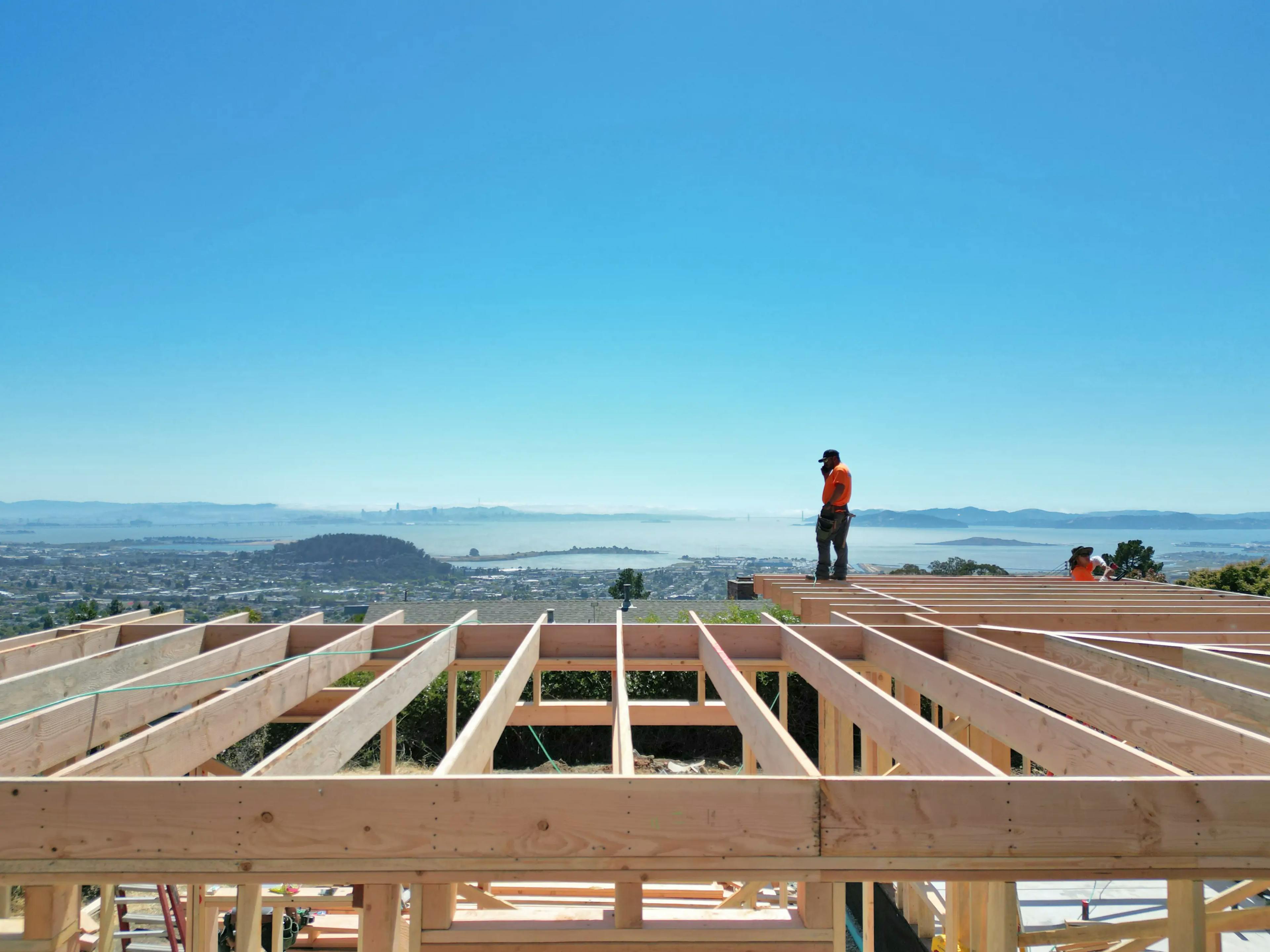
Budget challenges stem from inadequate initial planning, unforeseen site conditions, or scope changes during construction. The solution involves establishing detailed contracts with comprehensive specifications, clear change order protocols requiring written approval before any additions, and building a contingency fund of 10-15% into your initial budget.
Flexible financing options including home equity line of credit, personal loans, or construction loans specifically designed for ADU projects can provide financial flexibility if unexpected costs arise. Discuss financing strategies during your initial consultation to understand your options before construction begins.
Project Delays and Timeline Issues
ADU construction is characteristically described as “a marathon, not a sprint.” Delays commonly result from permit approval timelines, weather impacts, material availability, or subcontractor scheduling conflicts.
Effective solutions include building realistic buffer time into project schedules—particularly for permitting phases—establishing clear communication expectations with your builder, and defining milestone dates in your contract with corresponding consequences for significant delays. Regular progress updates help identify emerging issues before they create major timeline impacts.
Quality Control and Workmanship Concerns
Ensuring exceptional craftsmanship requires proactive measures rather than reactive complaints. Structure your payment schedule around completion milestones with final payment withheld until all work meets specifications and passes required inspections.
Request written warranty terms covering both materials and workmanship. Establish inspection protocols for critical construction phases, and consider independent inspections at key milestones for additional assurance. Document any concerns in writing immediately rather than waiting until project completion.
Addressing these challenges proactively positions your project for success and establishes the foundation for a productive builder partnership.
Conclusion and Next Steps
Choosing the right ADU builder transforms what could be a stressful construction experience into a manageable project that expands your living space while potentially increasing property value and creating opportunities for additional income through an adu rental.
The ideal solution for most homeowners involves selecting experienced, specialized builders who demonstrate both technical expertise and clear communication practices. Whether you’re creating a perfect space for aging parents, building a rental unit to generate rental income, or adding a guest house for adult children, thorough builder evaluation remains the foundation of project success.
Take these immediate steps to move forward with your ADU project:
- Research local ADU builders with documented experience in projects similar to yours
- Verify licensing, insurance, and permit approval track records
- Request detailed quotes from at least three qualified builders
- Check references by speaking directly with previous clients
- Review contracts carefully before signing, ensuring all services and terms are clearly specified
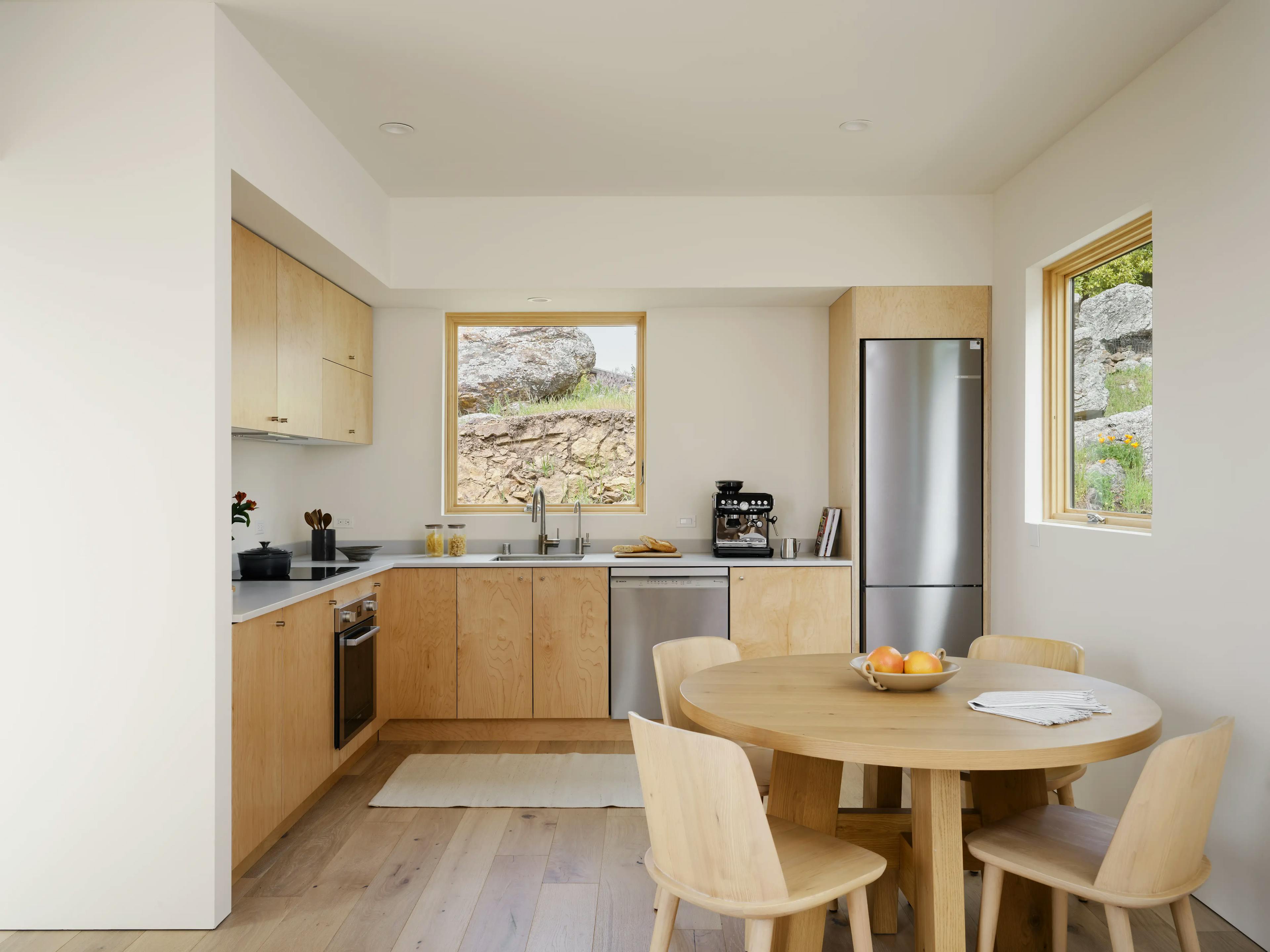
Related topics worth exploring as you advance your project include ADU financing options such as home equity line of credit and construction loans, design considerations for maximizing natural light and functionality in compact spaces, and ongoing maintenance planning for your new ADU.
Additional Resources
Builder Qualification Checklist
- Valid state contractor license (verified through licensing board)
- General liability and workers’ compensation insurance
- Minimum 3 completed ADU projects in portfolio
- References from clients within past 24 months
- Clear permit approval track record in your jurisdiction
- Written warranty terms for workmanship
Sample Builder Interview Questions
- How many accessory dwelling units have you completed in the past two years?
- What is your typical timeline from initial consultation to project completion?
- How do you handle permit applications and what is your approval success rate?
- What does your standard contract include and exclude?
- How do you manage change orders and unexpected issues?
- Can you provide references from recent ADU clients I can contact directly?
- What warranty do you offer on workmanship and materials?
These resources support your builder selection process and help ensure you find the perfect ADU builder to bring your vision to life.
Looking for an ADU builder?
Every ADU project is unique, and Type Five wants to hear about your vision. By understanding your lifestyle and budget, we help turn your dream ADU into a reality. Schedule a free consultation to discuss your ADU project, and learn more about working with us.