Additional Dwelling Unit Cost: Complete 2026 Financing and Budget Guide

Introduction
The cost of building and ADU in California in 2026 is best understood through financing first: the ADU's total cost matters, but the loan structure, draw schedule, interest rate, equity requirement, and projected rental income often determine whether an ADU project is actually workable.
This guide covers both the real cost to build an accessory dwelling unit and the financing options that help Bay Area homeowners pay for it. It is written for homeowners comparing detached ADUs, attached units, garage conversions, and internal conversions, especially those trying to plan a realistic budget before starting the permitting process. The goal is to connect the ADU cost conversation to practical financing, resale value, rental income, and Type Five's design-build approach.
A realistic Bay Area ADU budget should account for soft costs, hard costs, permit fees, site conditions, utility connections, contingency, and financing costs. Many homeowners can make the numbers work by pairing a clear fixed-price construction plan with the right mix of equity-based financing, renovation loans, or purpose-built ADU credit products.
You will learn how to:
- Estimate the true total cost of building an ADU, including hidden costs and unforeseen costs.
- Compare financing programs for an accessory dwelling unit, including construction loans, home equity loans, renovation loans, HELOCs, and cash-out refinancing.
- Understand how size, square footage, site plan, local zoning, building codes, material costs, and permit costs affect the final price.
- Evaluate ROI, rental income, property value increase, and potential reassessment for property taxes.
- Use Type Five's configurator, project management, fixed-price contracts, and full-service process to reduce financing friction and improve cost to build certainty.
Best Practices Before You Finance
Before applying for any loan, a few foundational steps can protect both your budget, your credit profile and save money.
Confirm you can build first. Before borrowing money, verify that your property allows for building an ADU. Check with your local planning office about zoning rules, setback requirements, and utility easements. These restrictions are not always obvious and discovering them mid-project can stall financing.
Get professional cost to build guidance early. Work with an architect, contractor, or design-build firm to develop a budget before approaching lenders. Some loan products require a defined budget as part of the application, so understanding ADU construction costs up front saves time and prevents surprises.
Shop multiple lenders. Even when specialized ADU financing exists, comparing several offers is worthwhile. Interest rates, origination fees, closing costs, and draw schedule terms vary more than most homeowners expect.
Plan for extra costs to build. Set aside 10% to 20% as a contingency fund. This safety net is not optional in the Bay Area, where property conditions, labor rates, and permit timelines can shift the final ADU cost quickly.
Apply within a short window. If you are comparing multiple lenders, try to submit applications within 30 days of each other. Credit bureaus typically treat multiple mortgage-type inquiries within that window as a single event, which limits the impact on your credit score.
Account for property taxes. Building an ADU increases your home's assessed value, which raises property taxes on the new structure. Under California's Proposition 13, your existing home's assessed value is protected. You will only pay additional taxes on the value added by the ADU itself, roughly 1.1% of the ADU's assessed value annually. Factor this into your long-term cash flow plan alongside rental income projections.
Understanding ADU Financing Fundamentals
Financing matters because most ADU construction projects are not paid from checking accounts. A $400,000 ADU project can feel manageable or impossible depending on whether the homeowner uses a fixed-rate HELOC, a variable-rate HELOC, an equity-backed credit product, or a construction loan with draw inspections.
The economic point is simple: raw construction costs are only one part of the overall cost. The full adu cost includes interest during construction, soft costs, permit fees, design costs, utility upgrades, temporary housing if needed, and the opportunity cost of tying up home equity. Type Five's model helps by giving homeowners a clearer project scope, a more reliable final cost, and documentation that lenders often need before approving financing.
Equity-Based Financing
Most homeowners wanting to build and ADU in California start with the equity they have already built in their property. The four main equity-based paths each have different structures, and choosing the wrong one can cost tens of thousands of dollars over the life of the loan.
- Home equity loans provide a lump sum with a fixed interest rate and predictable monthly payment. This works well when architectural plans, a site plan, and construction costs are already defined. Because the payment is fixed from day one, it is easy to model against projected rental income.
- A HELOC provides flexible draws, which can help during phased adu construction. Interest accrues only on what you have drawn, not the full credit limit. The main risk is that HELOCs typically carry variable interest rates, meaning monthly payments can rise if market rates increase. Many homeowners use a HELOC to cover design and permitting fees, then switch to a larger equity product for the construction phase.
- A cash-out refinance replaces the current mortgage with a larger loan and uses the difference to fund the ADU. This can be effective when the new rate is competitive and you need a single, consolidated loan. It may be expensive if the homeowner already has a low fixed rate on the main house, because refinancing means giving up that rate on the entire principal balance.
- A second mortgage is a separate loan taken while keeping the original mortgage intact. If the first mortgage carries a favorable rate, a second mortgage can access equity without disturbing that rate. The interest rate is typically slightly higher than the first mortgage but may compare favorably to a full refinance.
- Home equity investments (HEI) offer an alternative for homeowners who prefer to avoid monthly debt payments. An investor provides a lump sum in exchange for a share of the home's future appreciation. There are no interest payments, but the total repayment can be unpredictable depending on property value growth.
Construction Loans
These loans are structured differently from equity products. Funds are released in draws as construction milestones are completed: foundation, framing, roofing, rough electrical, plumbing, drywall, and finishes. The borrower pays interest only on disbursed amounts during the build.
There are three main loan structures: a construction-to-permanent loan starts as a construction facility and converts to a regular mortgage when the ADU is complete, locking in a long-term rate early, a construction-only loan covers the build phase and must be paid off or refinanced at completion.Construction loans require more documentation than equity products: construction plans, contractor licensing, a draw schedule tied to milestones, permit status, and a detailed cost to build breakdown. This is where Type Five can simplify the process considerably for ADUs in California. A fixed-price contract reduces lender concern about cost overruns, and a clearly defined scope helps align the approved loan amount with the expected final price.
Renovation Loan Programs
These loans may be a cost-effective path for garage conversions, attached ADU additions, or projects within an existing structure. The FHA 203(k) program offers more flexible credit score requirements and is suited for owner-occupied projects. The Fannie Mae HomeStyle loan typically requires stronger credit but can be used on investment properties and allows 12 months to complete construction versus six for the 203(k).
Both programs allow borrowing based on the projected after-renovation value of the property, which can unlock more financing than current equity alone would support.
Qualification Requirements and Credit Considerations
Most lenders evaluate three things before financing an ADU in California: credit strength, debt-to-income ratio, and available equity. HELOCs, home equity loans, and construction loans commonly favor stronger credit profiles, while renovation loans may allow more flexible requirements when the property, income, and equity position support the loan.
Debt-to-income ratio matters because the lender wants to know whether the homeowner can carry the new monthly payment before the ADU begins to create rental income. Some ADU-focused financing products may consider projected rental income, but the lender will usually want cost data, architectural plans, building permits, a contractor bid, and evidence that the project complies with local building codes.
Equity also affects approval. Many conventional financing options are limited by combined loan-to-value ratios. On average, building an ADU can increase property values by 20% to 30%, and that potential property value increase can support the financing case when the ADU is permitted, well-built, and aligned with local regulations.
Before applying, homeowners should also update their homeowner's insurance policy to cover new structures and potential rental liability.
Contingency and Unexpected Expenses
A serious ADU budget should include a contingency fund. Allocating 10% to 20% is recommended to cover unexpected issues, especially in for ADUs in California where property conditions, local labor rates, and permit timelines can shift the cost to build quickly.
When building an ADU, common surprise costs include utility upgrades, soil issues, tree removal, drainage changes, and long utility runs. Upgraded electrical panels may be necessary to handle the additional electrical load. Tapping into existing water, sewer, gas, and electricity lines may require expensive trenching depending on the distance between the ADU and main utility connections.
Site preparation can also add substantial costs. Clearing trees, leveling land, and adding retaining walls can significantly increase initial site preparation expenses. Property line surveys and soil stability tests are often required before laying a foundation.
Type Five's fixed-price contracts help protect homeowners from cost escalation within defined scopes of work. They do not eliminate every risk, such as owner-requested changes, agency requirements, or unknown site conditions can still create unexpected fees, but they reduce the ambiguity that makes ADU build costs difficult to finance.
Type Five's Financing Partner: Aven
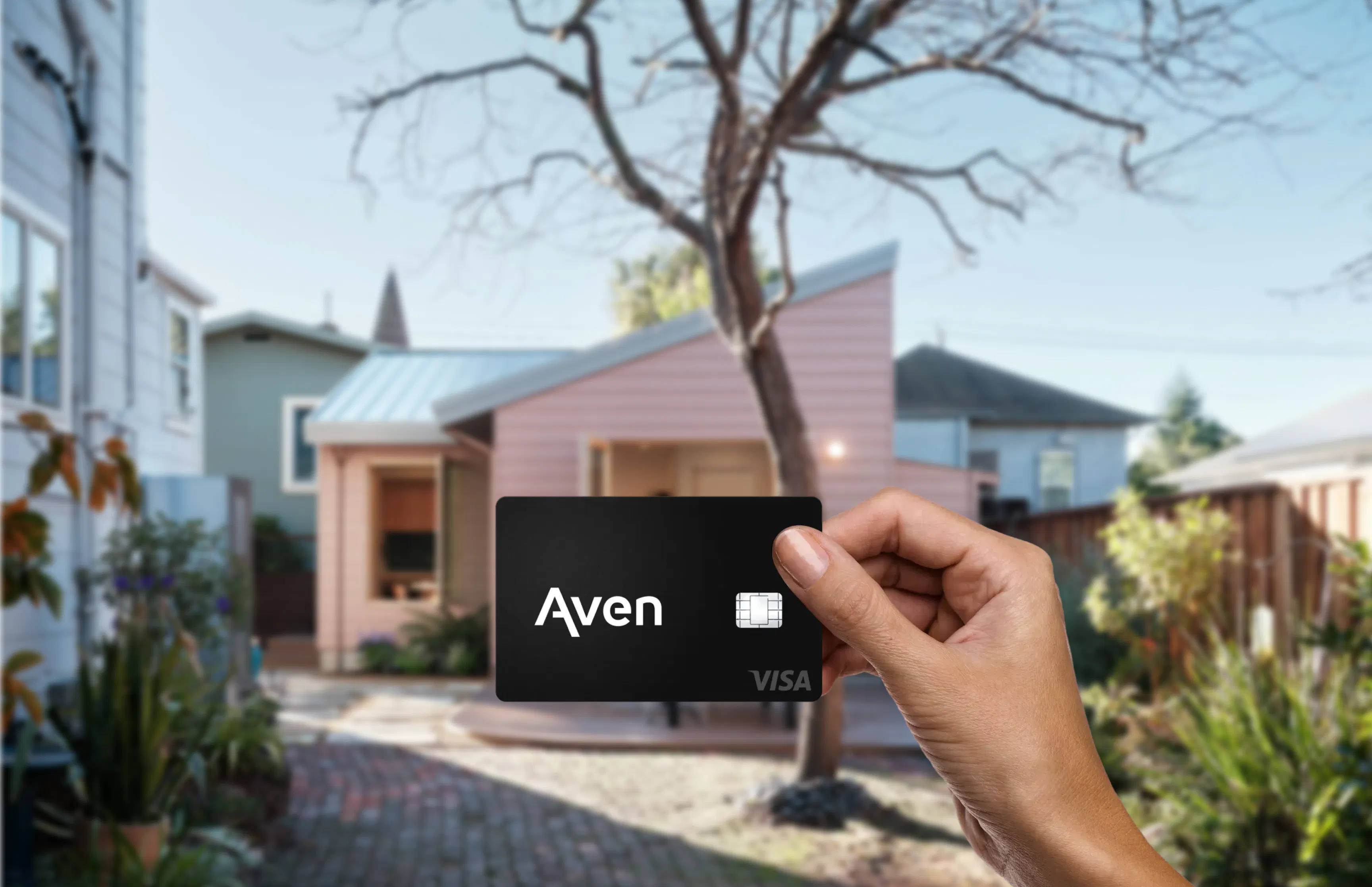
For homeowners building with Type Five, there is a purpose-built option designed to move as fast as the project itself. Type Five has partnered with Aven, a home equity credit product that works like a credit card on the surface but draws from home equity on the back end. Explore Aven financing for your Type Five ADU.
How Aven Works
Aven is structured in two phases that align directly with the Type Five ADU build process:
For design and permitting: Aven provides instant access to $50,000, more than enough to cover design fees, engineering, and permitting costs. Approval is instant, there are no upfront fees, no early repayment penalties, and payments are fixed monthly. For homeowners who want to get the permitting process started without waiting weeks for a traditional loan to close, this is a meaningful advantage.
For construction: Once building permits are approved, the credit line can be upgraded to a full HELOC with limits up to $400,000. Aven guarantees the lowest HELOC rate on the market. Approval can happen in as fast as 15 minutes. The product works like a regular credit card with 2% cash back on your entire project, meaning the materials, labor, and contractor payments you run through the card earn cash back throughout the build.
There are no upfront fees, no early repayment penalties, and fixed monthly payments. Funds can go directly to Type Five.
Why This Matters for ADU Financing
The typical friction in ADU financing comes from timing: design and permitting costs arrive before the ADU is built and before any rental income starts flowing. Most equity products are sized for the full construction cost and require extensive documentation before a dollar is disbursed. Aven solves this by separating the early-phase costs (design, permits) from the construction phase, giving homeowners immediate access to what they need to get started, with the larger facility ready when construction begins.
The cash-back feature also adds a tangible cost savings benefit that traditional construction loans do not offer. On a $300,000 construction budget, 2% cash back represents $6,000 returned to the homeowner.
For Bay Area homeowners building an ADU, Aven is worth evaluating alongside, or in combination with, other equity-based financing strategies. Check your eligibility instantly.
Factors That Impact Your ADU Investment
The right loan depends on the design, location, construction method, and expected income of the ADU. A small conversion may be fundable with a HELOC or renovation loan, while a detached ADU with full utility connections may require a larger equity facility or construction loan.
Soft costs, which include expenses not directly tied to physical construction materials. Generally, soft costs account for 10% to 20% of the total budget for ADU projects. Hard costs covering physical construction typically make up 80% to 90% of the total project budget.
Size and Configuration Options
When building an ADU, size affects both building costs and financing approval. California allows ADUs between 150 and 1,200 square feet. Larger units generally incur higher material, labor, and permit costs, though the cost per square foot may decrease slightly at larger sizes due to efficiency.
Fixed costs such as kitchens, bathrooms, and utility connections result in a higher cost per square foot for smaller ADUs. A 400-square-foot studio still needs a kitchen, bathroom, heating, electrical systems, building permits, and utility connections, so its per-square-foot ADU construction costs can be higher than a larger unit that spreads those fixed costs over more area.
Detached standalone units are generally the most expensive option. A conversion can save money because the existing structure may already provide walls, roof area, and slab conditions, though code upgrades can still be significant.
Average costs range from $150 to $600 or more per square foot, influenced by unit type, location, and property condition. Type Five's modular design system helps homeowners compare square footage, layout, and finish choices earlier, which can cut costs caused by late redesigns and financing rework.
Typical 2026 Planning Ranges:
ADU type | Typical size | Cost pattern | Financing notes |
JADU or internal conversion | Up to 500 sq ft | Lower total cost, higher fixed-cost sensitivity | Often suited to renovation loans or smaller equity products |
Existing garage conversion | 400–600 sq ft | Usually the most cost-effective option | Good candidate for HELOC, home equity loan, or Aven |
Attached ADU | 400–1,200 sq ft | Often less expensive than detached ADUs because it can share elements with the main house | Needs careful appraisal and building code review |
Detached ADU | 600–1,200 sq ft | Highest total cost because it functions as a standalone home | Often suited to full HELOC facility, construction loan, or larger equity financing |
Location and Site Conditions
Location plays a crucial role in determining ADU costs. Construction costs and labor rates tend to be higher in densely populated or coastal metro areas, and Bay Area labor rates are often materially higher than statewide averages.
Permit fees vary widely by jurisdiction. Local municipalities charge for building permits, environmental impact reviews, and school district fees as part of the permitting process. Impact fees can range from $3 to $4 per square foot and may increase for ADUs over 750 square feet.
Bay Area Jurisdiction | Typical permit fee pattern | Cost implication |
San Francisco | Often among the highest, with plan review, design review, and site-specific requirements | Higher carrying costs if review takes longer |
Oakland | Moderate to high, depending on scope and neighborhood conditions | Site access and utility upgrades can drive additional costs |
San Jose | Often more predictable where streamlined review or pre-approved plans apply | Faster review can reduce financing carrying costs |
Berkeley | Review triggers can vary by lot, slope, and neighborhood | Soil, hillside, and access issues can affect final cost |
Site conditions can matter as much as square footage. Slope, tight access for construction equipment, drainage, tree protection, utility distance, and soil quality can all raise construction costs. A flat lot with nearby utilities is easier to finance and build than a hillside lot requiring retaining walls, specialized equipment, or lengthy trenching.
Design Complexity and Finish Levels
Design complexity affects ADU costs. Simple rectangular layouts are more cost-effective compared to custom designs with unique angles or luxury finishes. A compact rectangular plan reduces framing waste, roofing complexity, engineering time, and permitting questions.
Design fees for architectural and engineering plans typically cost 8% to 15% of the total project budget. Better documentation reduces change orders, prevents hidden costs, and supports a more reliable final budget, all of which matter to lenders evaluating the loan.
Finish level | Typical features | Budget impact |
Basic | Standard fixtures, durable flooring, efficient layout, simple cabinetry | Best for cost savings and rental-focused ADUs |
Mid-range | Quartz or comparable counters, upgraded windows, better appliances, durable finishes | Balanced for rental income, comfort, and resale value |
Premium | Custom cabinetry, luxury tile, high-end appliances, complex details | Highest final cost and higher appraisal sensitivity |
Type Five's configurator helps homeowners see how finish levels affect the total ADU cost before construction begins. That pricing transparency supports better financing strategy when building an ADU: a homeowner may choose mid-range finishes to generate rental income sooner, or select premium features if the goal is long-term family use and property value appreciation.
Timeline and Construction Method
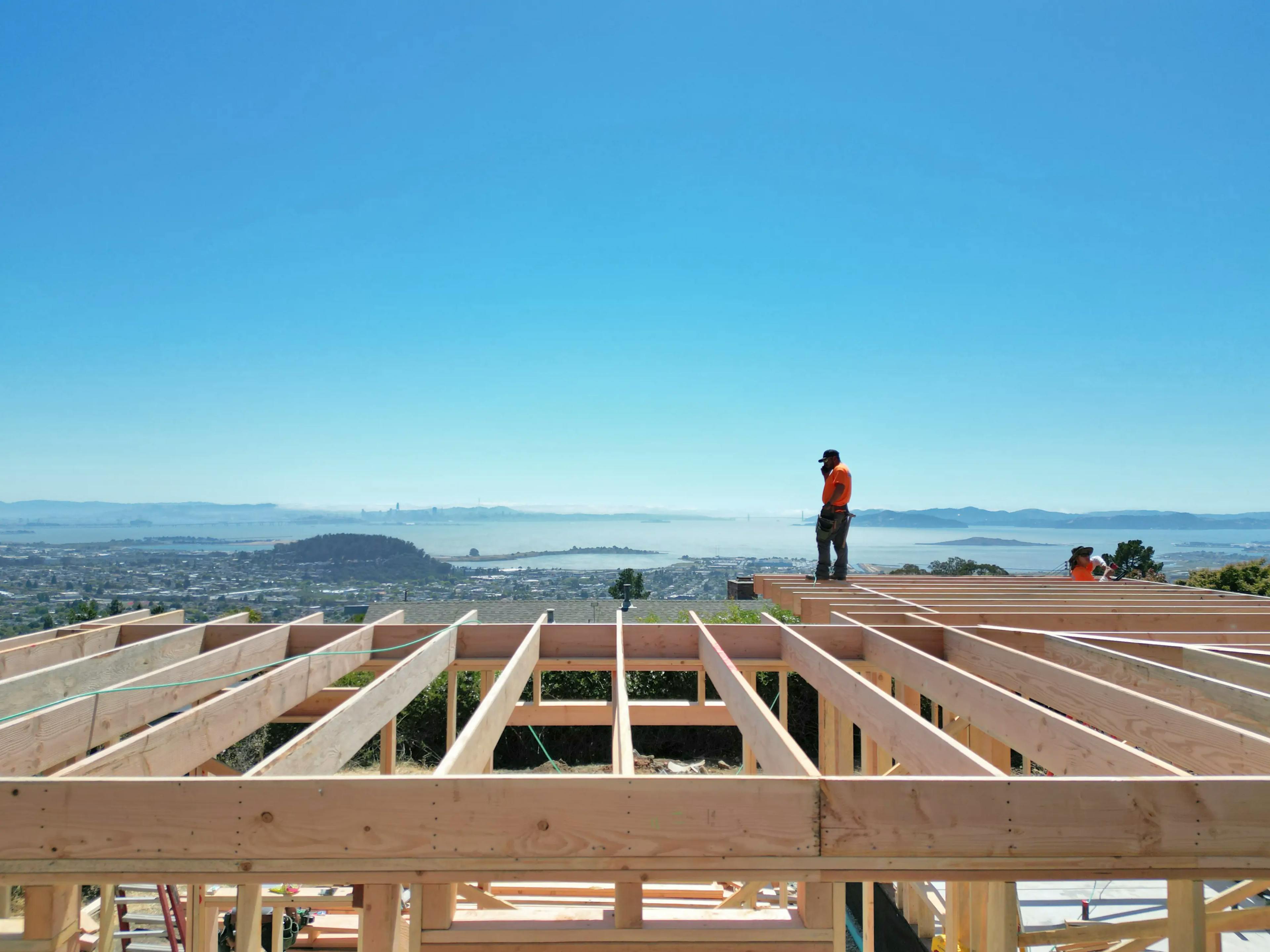
Construction method affects both cost and cash flow. The timeline also affects financing. Draw-based loan products release funds in stages, so the borrower must understand draw schedules, inspections, and when interest begins accruing. Delays in building permits, inspections, material availability, or utility approvals can increase carrying costs.
Labor costs for framing, roofing, and drywall can vary significantly based on local labor rates. General contractors and specialized subcontractors typically account for 40% to 50% of a project's total budget, which means quality control and project management directly affect both the schedule and the final cost.
Type Five's site-built approach prioritizes cost predictability, local code alignment, and coordinated project management. By combining design, permitting, and construction under one process, Type Five reduces the handoff problems that often cause delays and create cost overruns.
Common Financing Challenges and Solutions
The most common ADU financing problems are not simply that a project is expensive. They are usually more specific to building an ADU: insufficient equity, high debt-to-income ratio, unclear construction costs, permit delays, appraisal uncertainty, and cost overruns that exceed the approved loan amount.
A better strategy starts with an educated budget, a clear site plan, lender-ready cost data, and a construction partner that can explain the entire project in lender-friendly terms.
Insufficient Home Equity or High Debt-to-Income Ratio
If a homeowner does not have enough equity for a HELOC or home equity loan, the solution may be an ADU-specific credit product, a renovation loan, or a lender that considers projected rental income. ADUs can generate significant rental income, with a studio or one-bedroom unit typically earning $2,000 to $2,500 per month in competitive Bay Area markets, and a two-bedroom unit fetching at least $3,000 per month. That income can offset monthly payments and help justify the investment even when upfront adu construction costs are high.
Homeowners should also look for grants and incentives. The California Housing Finance Agency has offered an ADU Grant Program providing up to $40,000 in assistance, though program funding availability changes. As of 2026, homeowners should verify current CalHFA availability before counting on this in their budget. Many California cities also provide local incentives, tax breaks, or expedited permitting to reduce overall costs.
Draw Schedule and Documentation Complexity
Draw-based loan products require more documentation than standard equity products. Lenders often need architectural plans, contractor licensing details, a budget, a construction timeline, permit status, and a milestone-tied draw schedule.
This is where Type Five simplifies the process. A fixed-price contract reduces lender concern about cost overruns, and a clearly defined scope helps align the approved loan amount with the expected final price. When the lender can see how funds will move from design through vertical construction to finishes, approval becomes more straightforward.
The Aven credit product with Type Five offers a different path: instead of waiting for a fully documented construction facility, homeowners can access initial funds for design and permitting immediately, then upgrade to the full credit limit once permits are in hand. This removes one of the most common timing problems in ADU financing.
Permit Delays and Cost Overruns
Permit delays can create financing complications because interest may accrue before the ADU is generating income. The permitting process may include building permits, plan checks, environmental impact reviews, utility approvals, school district fees, and local zoning review.
Soft costs are often underestimated. Beyond design and engineering, they may include surveys, energy calculations, permit fees, utility coordination, and consultant reports. If a city asks for additional studies or plan revisions, costs can increase before hard costs even begin.
Homeowners should confirm local building codes, verify whether impact fees apply, and understand whether the ADU is under or over 750 square feet for fee calculation purposes. The 10% to 20% contingency recommendation exists precisely for these scenarios.
Type Five's permitting expertise helps prevent financing problems by identifying likely requirements earlier. A lender is more comfortable with an adu project when the cost to build, permitting process, and construction schedule are based on local experience rather than rough averages.
ROI Uncertainty and Appraisal Issues
ADU appraisal risk occurs when the lender does not give enough credit for the future value of the new unit. This can happen if the ADU design is unclear, the rental assumptions are unsupported, or the project does not appear fully compliant with local regulations.
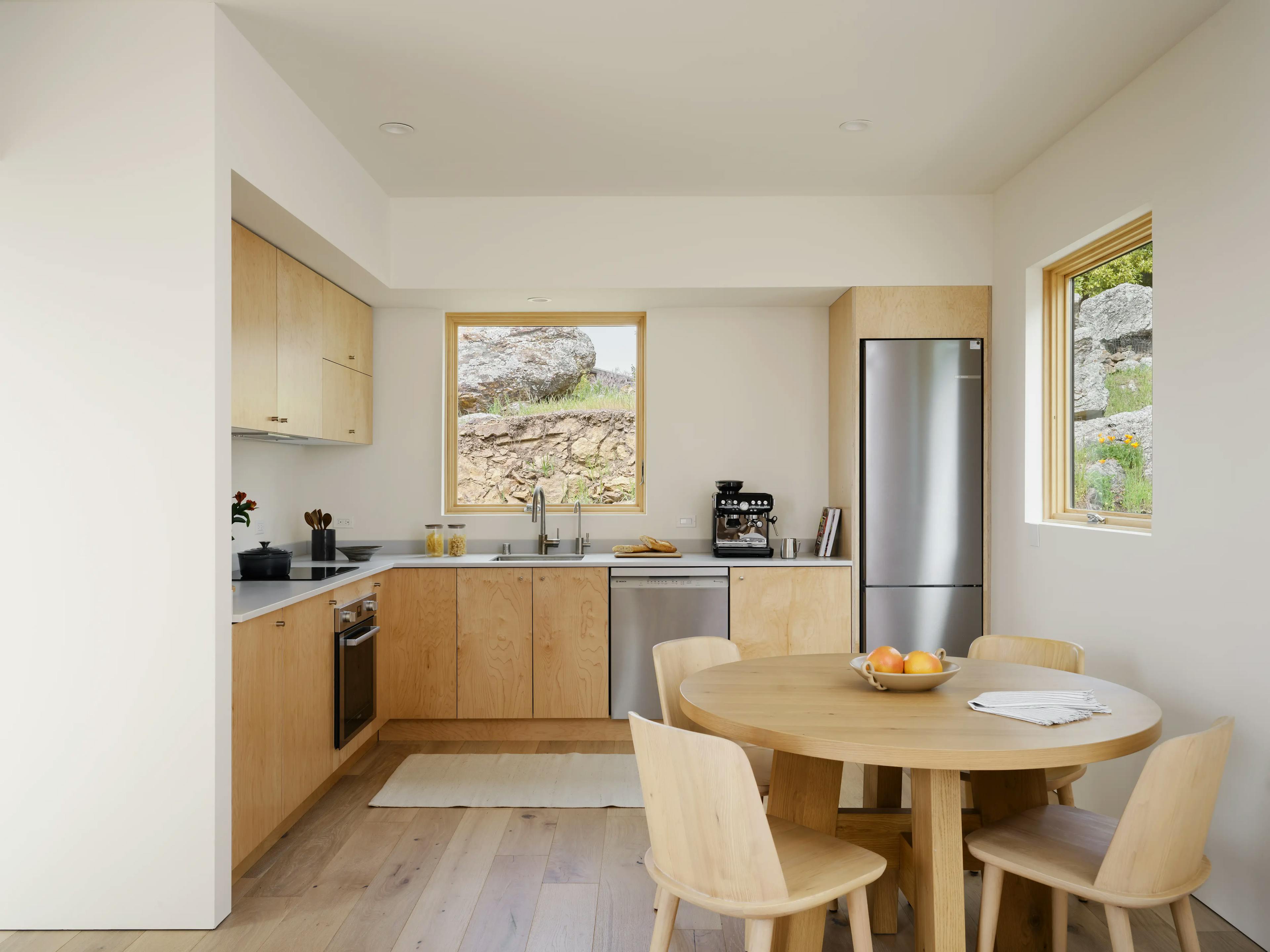
Type Five helps demonstrate accessory dwelling unit value by creating a clear scope, quality construction plan, and documented cost basis. A permitted ADU with strong design, energy efficiency, durable finishes, and code-compliant utility connections is more likely to support resale value than an unpermitted or poorly built conversion.
The average return on investment for an ADU is estimated at 8% to 10%, depending on size and intended use. Homeowners who plan to generate rental income should compare projected rent with monthly debt service, insurance increases, maintenance, vacancy, property tax changes, and utility costs.
The best ROI strategy is not always the cheapest build. It is the accessory dwelling unit that balances total cost, financing cost, tenant demand, property value, permitting certainty, and long-term use.
Conclusion and Next Steps
ADU cost is manageable when the financing strategy is built around the real budget, not just an average cost per square foot. Detached ADUs, difficult site conditions, premium finishes, and utility upgrades pushing the final cost higher.
The strongest plan connects four things: how much the accessory dwelling unit will cost, how the homeowner will finance it, how the unit will generate rental income or support family needs, and how the finished unit will affect property value. Type Five's full-service process, configurator, fixed-price contracts, and site-built execution help homeowners make those decisions with clearer numbers so homeowners can accurately plan for the cost of building an ADU.
For homeowners ready to move quickly, Aven's financing product through Type Five offers an immediate path to cover design and permitting costs, with the ability to upgrade to a full HELOC for construction with the lowest rate guaranteed and 2% cash back throughout the project.
Recommended next steps:
- Review your equity, credit profile, debt-to-income ratio, and preferred financing options.
- Define the likely ADU type: detached ADU, attached ADU, detached conversion, or internal conversion.
- Build a budget that includes hard costs, soft costs, permit fees, utility connections, design costs, contingency, insurance, and property tax changes.
- Use Type Five's process to develop a site-specific cost estimate and lender-ready project scope.
- Compare financing payment scenarios, including Aven's HELOC product, against projected rental income, resale value, and long-term family use.
If you are still early in the process, the next related topics to explore are ADU design options, local permit requirements, pre-approved plans, and how construction timelines affect financing draw schedules.
Frequently Asked Questions
What is the average cost to build an ADU in the Bay Area in 2026?
Bay Area ADU construction costs typically range from $150,000 to $475,000 depending on type, size, site conditions, and finishes. Detached ADUs on difficult lots with premium finishes can exceed this range. Garage conversions and internal conversions generally represent the lowest end of average costs. Use Type Five's configurator to develop a property-specific estimate before approaching lenders.
What financing options are available for an ADU in California?
California homeowners have several financing paths for building an ADU: home equity loans, HELOCs, cash-out refinances, second mortgages, construction loans, renovation loans (FHA 203(k) and Fannie Mae HomeStyle), home equity investments, and purpose-built ADU credit products like Aven. Most homeowners end up using a combination of sources. Type Five's financing partner Aven provides instant access to $50,000 for design and permitting, upgradable to $400,000 for construction with a guaranteed lowest HELOC rate and 2% cash back.
What's the minimum down payment for ADU financing?
The minimum down payment depends on the financing type. Home equity loans and HELOCs depend on available equity in the main house, while construction loans may require a down payment or sufficient equity. Renovation loans and some ADU-specific programs may be more flexible, especially when projected rental income supports the application.
Can I finance an ADU with poor credit?
It may be possible, but options are more limited. Certain loans may allow lower credit scores than conventional equity products. Homeowners with weaker credit should compare loans for renovation, construction, or grant programs before assuming the project is not feasible.
What's the typical monthly payment for a $300,000 ADU?
A $300,000 ADU payment depends on the loan type, interest rate, repayment term, and whether the loan is interest-only during construction. A long-term loan at market mortgage-style rates may create a monthly principal and interest payment in the low thousands. In competitive Bay Area markets, rental income from a studio or one-bedroom unit typically runs $2,000 to $2,500 per month, and a two-bedroom unit can fetch at least $3,000, often covering a significant portion of the monthly payment.
How does Type Five's financing process work?
Type Five helps homeowners move from rough ADU cost assumptions to a clearer project budget. The process typically starts with project scope, building configuration, and finish selections, then turns those details into pricing and documentation that can support lender review. Fixed-price contracts and full-service project management for the entire process of building an ADU reduce uncertainty for both the homeowner and the financing provider. Type Five also offers a direct financing path through Aven, with instant initial approval and a guaranteed-low HELOC product for construction. Learn more about financing with Aven and Type Five.
How quickly can financing be arranged for a Type Five ADU?
Through Aven, initial approval for the design and permitting phase can happen instantly, without the documentation requirements of a traditional loan. The full HELOC facility for construction can be approved in as fast as 15 minutes once you are ready to proceed. Traditional equity products and loans typically take longer depending on the lender, borrower profile, property, and permit status.
Looking for an ADU builder?
Every ADU project is unique, and Type Five wants to hear about your vision. By understanding your lifestyle and budget, we help turn your dream ADU into a reality. Schedule a free consultation to discuss your ADU project, and learn more about working with us.