Complete Guide to Choosing a Berkeley Accessory Dwelling Unit Contractor in 2026

Introduction
An ADU contractor is a licensed professional who manages the design, permitting, and construction of secondary housing units on residential properties. This guide covers everything Berkeley homeowners need to know about selecting, evaluating, and working with ADU contractors for successful project outcomes.
This content addresses contractor types, evaluation criteria, service models, and working relationships throughout the construction process. It targets Berkeley homeowners planning ADU construction who want to understand how to choose the right professional for their specific needs. Whether you’re building a granny flat for family members, creating rental income opportunities, or adding an in-law suite for aging parents, selecting the right contractor directly impacts your budget, timeline, and final results.
Direct answer: An ADU contractor is a licensed professional who manages design, permitting, and construction of accessory dwelling units, with design-build firms offering the most comprehensive service by handling everything from initial feasibility through final inspection under a single contract.
After reading this guide, you will understand:
- The differences between general contractors, design-build firms, and specialized ADU contractors
- Essential evaluation criteria for vetting contractor qualifications and experience
- How to compare service models and pricing structures effectively
- Common project challenges and how experienced contractors prevent them
- Red flags that indicate potential problems with contractor reliability

Understanding ADU Contractors
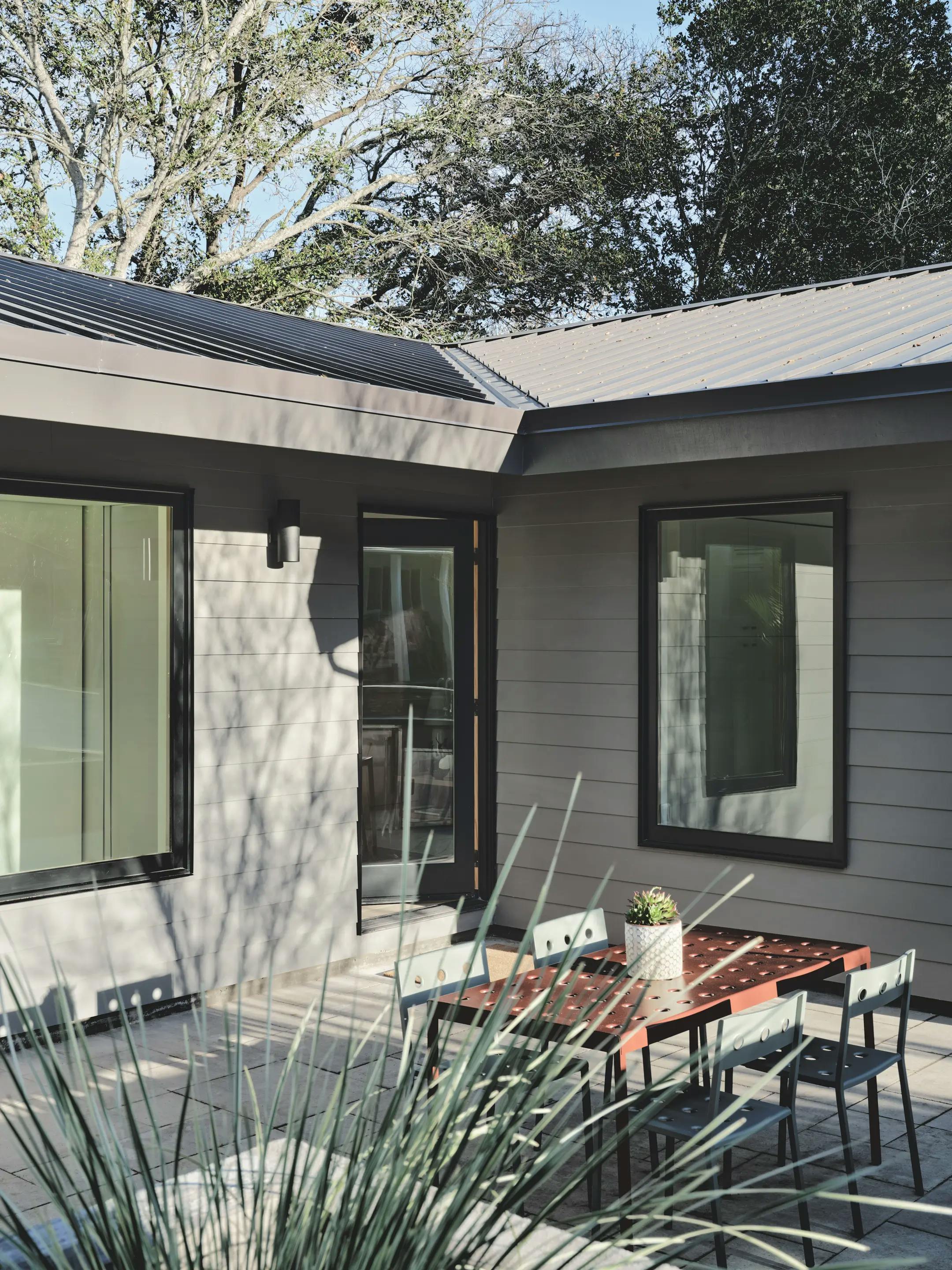
ADU contractors are specialized professionals who navigate complex zoning laws, permitting requirements, and construction challenges unique to secondary dwelling units. Unlike standard residential construction, accessory dwelling units are technically complex projects that require building a full, independent living space, including a kitchen and bathroom, within a small footprint. This specialization makes contractor selection one of the most important steps in the process of designing and planning your ADU.
Berkeley homeowners need expert guidance because while state law has streamlined ADU approval since 2017, local jurisdiction requirements still vary significantly. Contractors specializing in accessory dwelling units should have proven experience with local construction codes and permitting processes. A contractor who understands your city’s specific requirements can help you avoid costly delays and design revisions, especially in jurisdictions with detailed rules like Berkeley, California.
General Contractors vs. Design-Build Firms
General contractors typically handle the construction phase after designs and permits are complete. They execute the building work from plans produced by architects or designers that homeowners obtain separately. This model requires homeowners to coordinate between their designer and builder, which can create communication gaps and potential misinterpretations during the construction process.
Design-build firms manage the entire project from initial design through final inspection under a single contract. Their in-house team handles feasibility analysis, ADU design, engineering, permit applications, construction, and inspections. This integrated approach provides single-point accountability and eliminates the coordination burden that falls on homeowners in the traditional model, similar to Type Five, a one-stop ADU design-build company in the Bay Area, California..
The key distinction matters for project outcomes: design-build firms own responsibility for both design decisions and construction execution, which reduces finger-pointing when issues arise. General contractors, by contrast, bear responsibility only for building what the plans specify—if design errors cause problems, homeowners may face disputes about who pays for corrections.
Specialized ADU Contractors
Specialized ADU contractors focus exclusively on accessory dwelling unit construction and understand ADU-specific regulations that general residential contractors may overlook. When hiring a contractor, it is essential to assess their experience with ADU projects, as they are familiar with the unique challenges and regulations involved in such builds, especially if you are interested in Type Five's customizable, design-forward backyard ADUs.
This specialization improves project outcomes because ADU builders who work primarily in this space develop deep relationships with local planning departments, understand common plan check comments, and anticipate site constraints unique to smaller lots. For example, portfolios of completed ADU projects across Bay Area cities often demonstrate how experienced teams handle challenging sites and tight backyards. Data from Sacramento-area projects shows that experienced designers average approximately 0.8 correction cycles per permit application, while first-time designers average 2.1 cycles—with each cycle adding 2-4 weeks to the timeline.
The connection between specialization and results is clear: contractors who have completed dozens of ADU projects in your jurisdiction know exactly what reviewers look for and how to prepare applications that move through the system efficiently. This expertise directly translates to faster permitting, fewer surprises, and more predictable costs.
ADU Contractor Service Types
Understanding the different service models helps homeowners choose the arrangement that best fits their situation, budget, and desired level of involvement. Each model offers different trade-offs between cost, convenience, and control over the design and build process.
Full-Service Design-Build
Full-service design-build provides comprehensive coverage including feasibility analysis, design, permitting, construction, and final inspections. This model is ideal for homeowners who want a premier ADU builder to handle every aspect of their project while they focus on making decisions rather than managing details, particularly when working with a full-service company like Type Five.
Benefits include single-point accountability, streamlined communication, and reduced coordination risk. When problems arise—whether design-related or construction-related—the design-build firm owns the solution. This eliminates disputes about responsibility and keeps the project moving forward.
A typical full-service timeline runs 8-12 months from initial planning through certificate of occupancy for detached ADUs on flat lots. The permitting phase alone typically takes 60-120 days depending on jurisdiction and application completeness. Throughout this process, the design-build team manages all communications with the city, coordinates inspections, and handles any required plan revisions.
Construction-Only Services
Construction-only contractors build from existing plans and permits that homeowners have obtained separately. This approach makes sense when you already have approved plans—perhaps from a pre-approved city plan library or from an architect you’ve worked with previously—and simply need a builder to execute the work.
This model can offer cost advantages because you’re not paying the design-build premium, and you maintain control over design decisions with your chosen architect. However, it introduces coordination challenges: if the builder discovers that design details are impractical or costly to execute, resolving the issue may require going back to your architect, which adds time and potential change order costs.
Timeline implications vary based on how well the existing plans align with site conditions. If the design team conducted thorough site analysis, construction can proceed smoothly. If not, the construction phase may include unexpected work that wasn’t priced in the original bid.
Permit and Construction Management
Some contractors specialize in handling permitting and coordinating subcontractors while outsourcing hands-on construction work. This project management model can work well for homeowners who want professional oversight without the premium of a fully integrated firm.
These contractors manage the complex permitting process, including necessary inspections for wastewater, building, and structural permits. A reputable contractor in this model should demonstrate strong relationships with local planning departments and clear systems for tracking permit status, inspection schedules, and subcontractor coordination.
The trade-off is accountability: when multiple parties are involved in execution, disputes about responsibility become more likely. Clear contracts that specify exactly who handles what—and what happens when things go wrong—are essential when using this model.

Selecting and Evaluating ADU Contractors
Choosing the right contractor requires systematic evaluation across multiple dimensions. References from previously completed ADU projects are essential for assessing a contractor’s suitability and reliability, but verification should extend beyond just calling references.
Essential Evaluation Criteria
It is recommended to interview at least three contractors and request detailed, itemized bids before hiring for an ADU project. Use these criteria during contractor interviews to assess qualifications:
- ADU-specific experience and portfolio review: Ask to see past projects similar in size, finish level, and site constraints to your planned ADU. Look for examples in your city or jurisdiction, particularly if your property has unusual characteristics like slopes, fire hazard zones, or historic overlay districts. Contractors should have proven experience with detached ADUs, attached units, or existing space conversions—whatever applies to your project.
- Licensing, insurance, and bonding verification: Confirm a contractor’s license status through state licensing boards, such as the California State License Board, and ensure they have general liability and workers’ compensation insurance. California requires a Class B (General Building Contractor) license for ADU construction. Verify that the license is active, properly classified, and free of serious disciplinary actions. The contractor should also carry a $25,000 bond.
- Local jurisdiction knowledge and permit success rates: Ask how many ADU permits the contractor has obtained in your city over the past two years, how many required plan revisions, and what their average response time to agency comments is. Contractors should be familiar with local zoning laws and able to navigate changes in regulations effectively, particularly in cities with nuanced rules such as Berkeley’s ADU zoning and permitting standards.
- Client references and recent project outcomes: Speak with previous clients about timeline accuracy, change order frequency, communication clarity, cost overruns, and warranty resolution. Ask specifically about how the contractor handled problems when they arose—because problems always arise on construction projects.
For homeowners choosing between design-build and general contractor approaches, the decision often comes down to how much coordination work you’re willing to take on yourself. Design-build costs more but eliminates management burden; general contractor models can be more economical but require you to bridge communication between designer and builder.
Contractor Comparison Criteria
Criterion | Design-Build Contractor | Construction-Only Contractor |
Project control | Single point of accountability | You coordinate design and build separately |
Timeline predictability | Generally faster—integrated team | Depends on plan completeness |
Cost transparency | Bundled pricing, sometimes opaque | Clear construction costs, separate design fees |
Communication structure | One company contact | Multiple vendor relationships |
Best for | Homeowners wanting less stress | Those with existing plans or architect relationships |
Common Challenges and Solutions
ADU projects present predictable challenges that experienced contractors know how to prevent. Understanding these issues helps you evaluate whether prospective contractors have the systems and expertise to keep your project on track.
Cost Overruns and Change Orders
ADU project costs can start at roughly $275 per square foot, but this can vary widely depending on the scope of work and specific project requirements. Building an ADU often incurs higher costs per square foot compared to traditional home construction due to specialized planning, utility upgrades, and strict code compliance.
Solution: A clear and detailed scope of work in the contract for an ADU project should specify materials, finishes, payment schedules, and warranties. Request itemized bids that break out design, permitting, site preparation, utility upgrades, and construction separately. Factors contributing to ADU construction costs include design, permitting, site preparation, utility upgrades, and on-site construction, with geographic considerations potentially increasing expenses. Build a 10-15% contingency into your budget for unforeseen site conditions or code issues.
Vague contracts or bids can indicate potential issues with a contractor’s reliability or quality of work. If a contractor can’t explain exactly what’s included and excluded in their price, that’s a warning sign.
Permit Delays and Code Compliance Issues
Permit delays often stem from incomplete applications, errors in drawings, or misinterpretation of local ordinances. The design of an ADU must comply with local building codes and fire regulations, which can vary significantly by location and should be reviewed with a licensed architect or builder, especially in jurisdictions like Oakland with detailed ADU guidelines.
Solution: Verify contractor’s local jurisdiction experience and recent permit approval rates. Ask specifically about their correction cycle history. California’s SB 543 (effective January 1, 2026) requires local agencies to determine application completeness within 15 business days—contractors who understand these deadlines can advocate effectively when jurisdictions move slowly.
The planning stage is crucial for building an ADU, as it involves making important decisions about design, layout, and compliance with local zoning regulations. Homeowners should first determine what types of ADUs are allowed on their property according to local zoning laws before starting the planning process.
Communication and Project Management Problems
Poor communication creates timeline delays, quality issues, and cost overruns. Contractors should provide clear communication and be responsive throughout the ADU construction process.
Solution: Establish clear communication protocols and regular progress reporting from project start. Your contract should specify meeting frequency (weekly or biweekly for most projects), preferred communication methods, and response time expectations. Ask how the contractor handles job site access, progress photos, and schedule updates. Good contractors proactively communicate about delays before they become problems.
It is advisable to avoid contractors who ask clients to pull building permits, as it can indicate they are unlicensed or avoiding liability. This red flag suggests the contractor may be trying to evade responsibility for code compliance issues.
Conclusion and Next Steps
Hiring a contractor is one of the most important steps in the process of designing and planning your ADU, as they will oversee the entire construction project. Success depends on choosing experienced professionals with proven ADU specialization, strong local jurisdiction knowledge, and transparent communication practices.
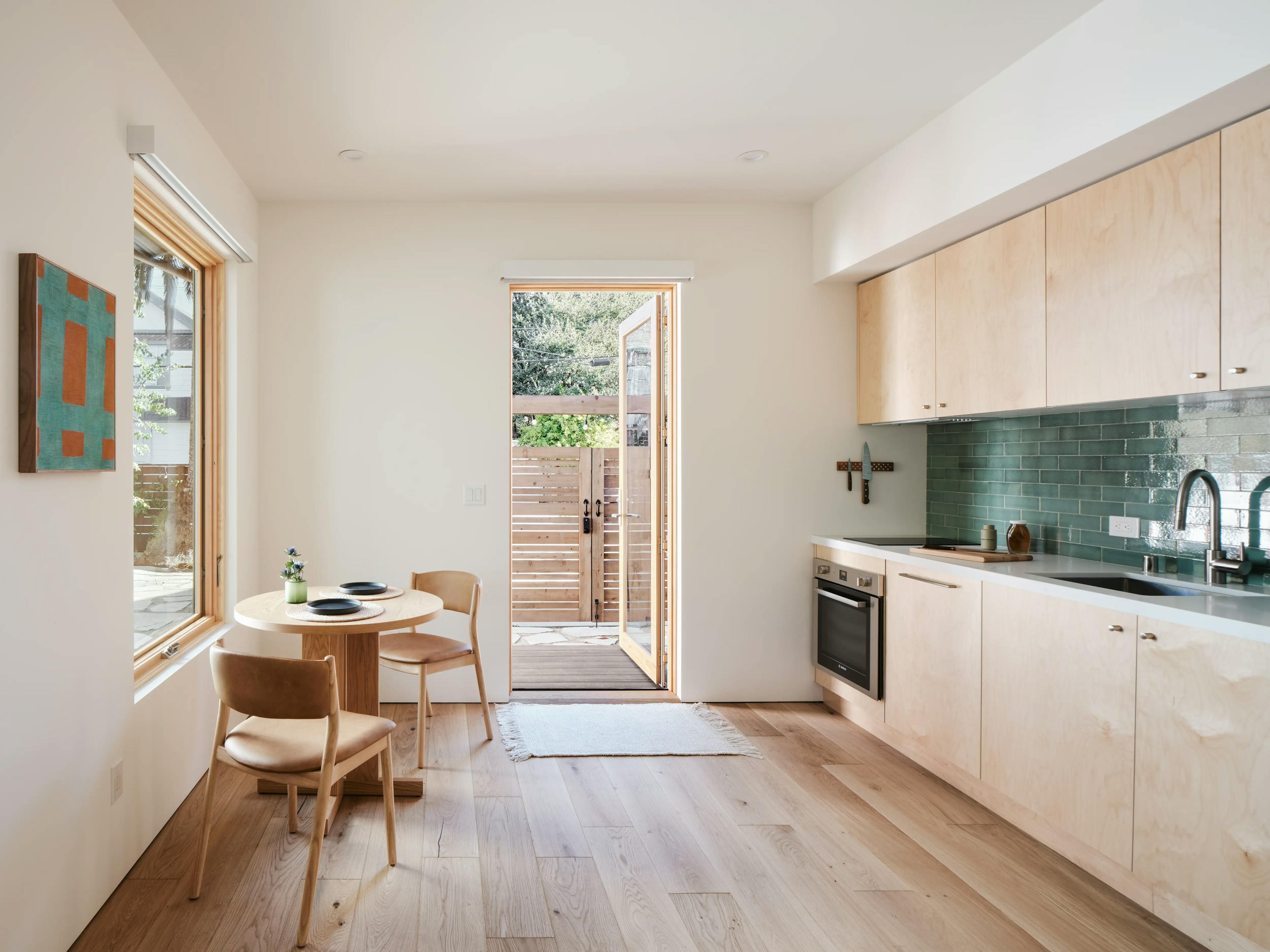
Accessory dwelling units can serve various purposes, including rental housing for generating rental income, guest housing, home offices for remote work flexibility, or guest houses and in-law suites for family members. Common types of ADUs include granny flats, in-law suites, guest houses, and garden cottages, each designed for different living arrangements. ADUs can be classified as attached or detached units, with attached units being part of the primary residence and detached units being separate structures on the same property. Your contractor should understand your intended use and help optimize the design process accordingly.
Take these immediate next steps:
- Research local ADU contractors with proven track records in your city—look for firms that specialize in building ADUs rather than general residential construction
- Request detailed proposals including timeline, full scope of work covering site preparation through interior finishes, and itemized pricing for all phases
- Schedule consultations with at least three contractors to discuss your property’s feasibility, assess communication style, and compare approaches to your vision
When designing an ADU, it is important to consider the needs of future occupants, such as accessibility features for elderly residents or specific layouts for rental purposes. The space you create should serve your family’s life for years to come—whether as extra living space for multigenerational housing, a source of investment income, or flexible space that adapts to changing needs.
Additional Resources
California ADU Law Updates and Local Requirements
Recent legislation including SB 543, AB 462, and AB 1154 has changed permit timelines, fee exemptions, and approval processes. ADUs under 750 square feet of interior livable space are now exempt from most impact fees. Contact your local planning department or work with an experienced contractor to understand current zoning requirements for your property.
Financing Your ADU Project
Homeowners often borrow some or all of the total project cost, or use a combination of sources such as cash, loans, and home equity to finance their ADU project. Options include:
- A cash-out refinance allows homeowners to replace their current mortgage with a new, larger mortgage and receive the difference in cash, which can be used for ADU financing
- Home equity loans and home equity lines of credit (HELOC) allow homeowners to borrow against the appraised value of their home to finance an ADU
- Construction loans are specifically used to help pay for building or home renovation, and they are usually short-term loans that can be folded into the overall mortgage loan after the construction period
Contractor Verification Tools
Use the California State License Board’s online lookup to verify license status, bond information, workers’ compensation insurance, and complaint history. Request certificates of insurance naming you as additional insured before construction begins.
Interview Preparation
Prepare questions covering: number of ADU projects completed in your city, average permit timeline, correction cycle history, change order policies, warranty terms, and references from clients with similar project scope. Compare responses across contractors to identify the team with the strongest craftsmanship, communication, and local expertise for your security and peace of mind.
Looking for an ADU builder?
Every ADU project is unique, and Type Five wants to hear about your vision. By understanding your lifestyle and budget, we help turn your dream ADU into a reality. Schedule a free consultation to discuss your ADU project, and learn more about working with us.